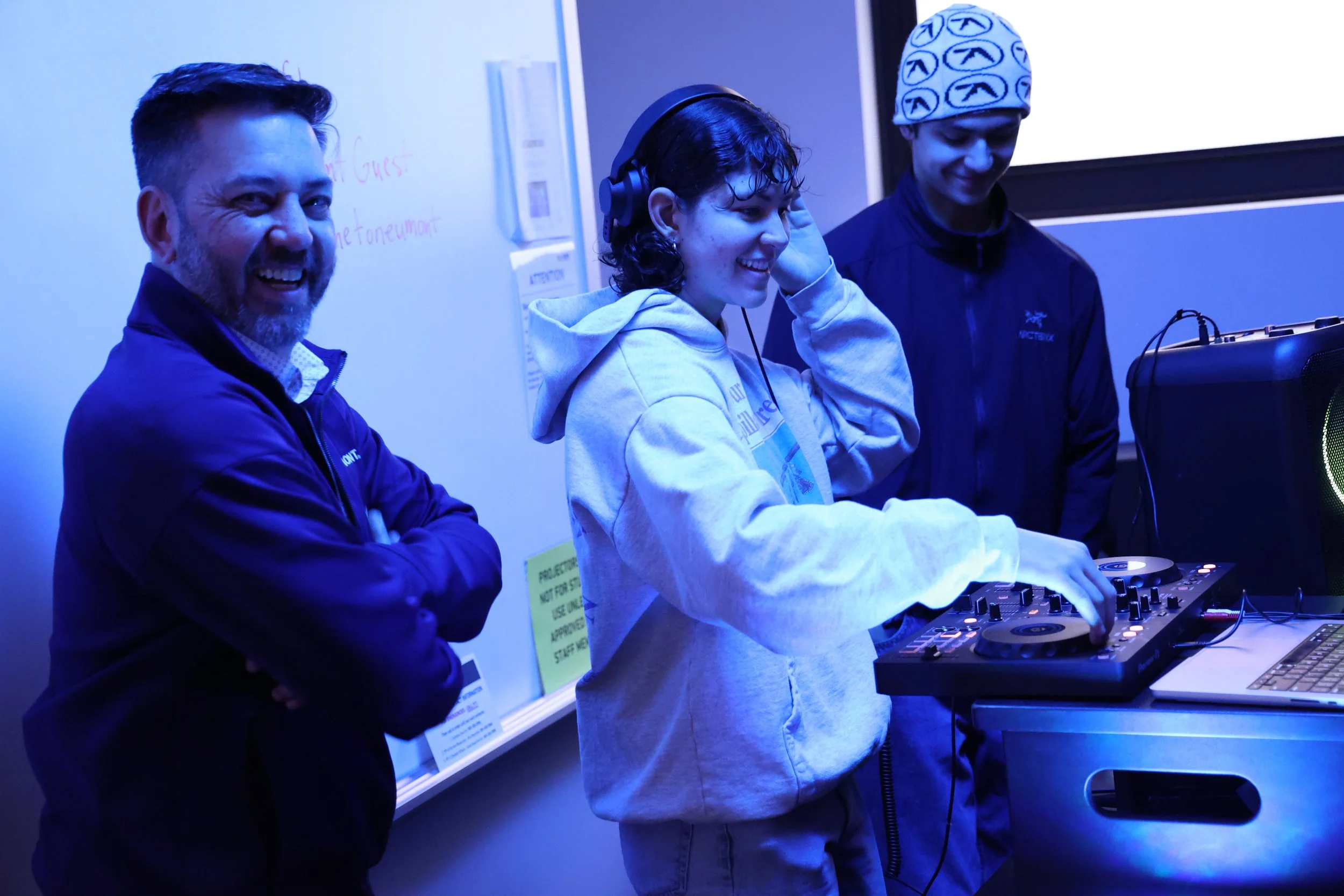
Inside Neumont's Unified Student Government
 

Inside Neumont’s

Unified Student Government
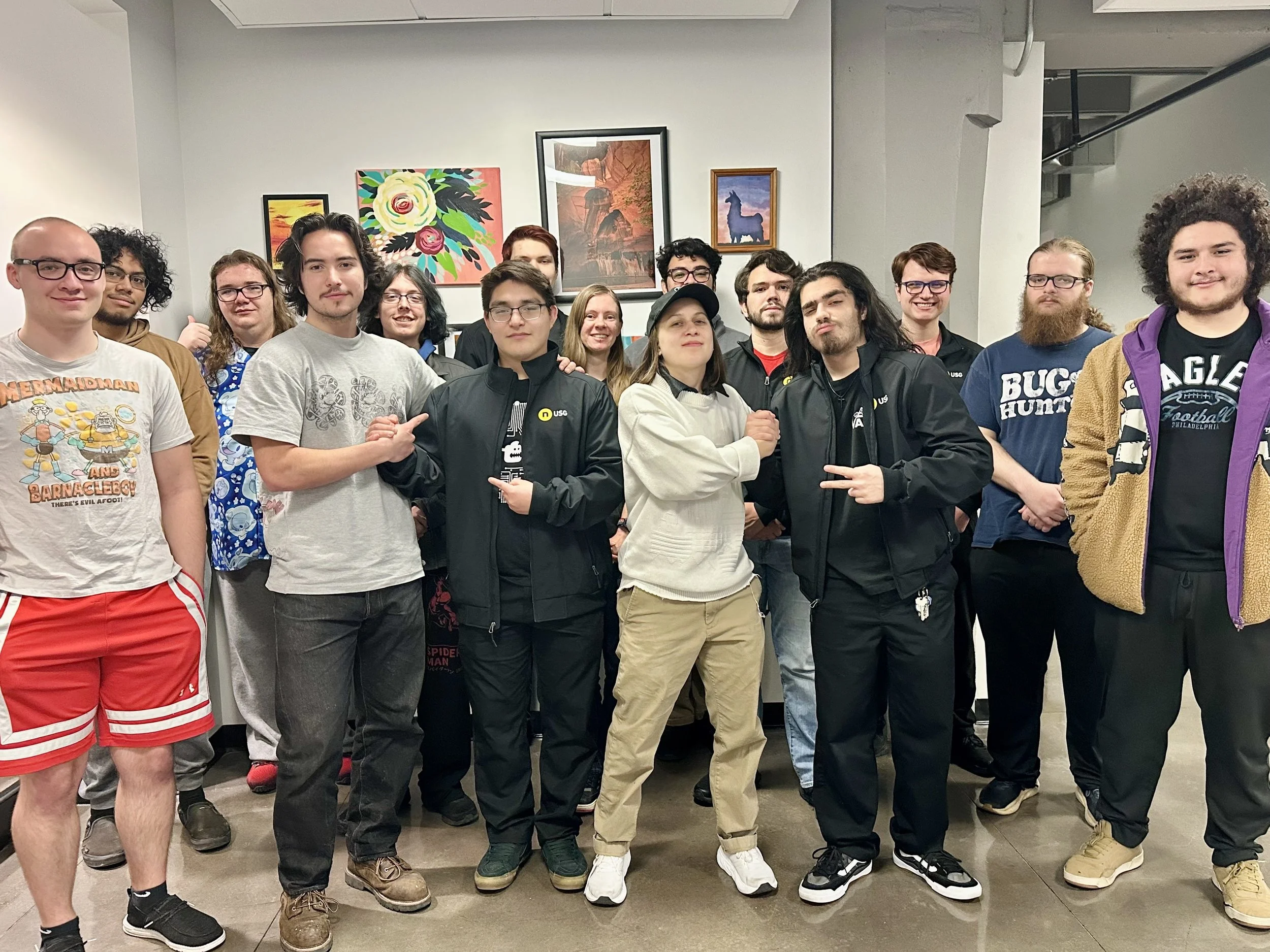
 

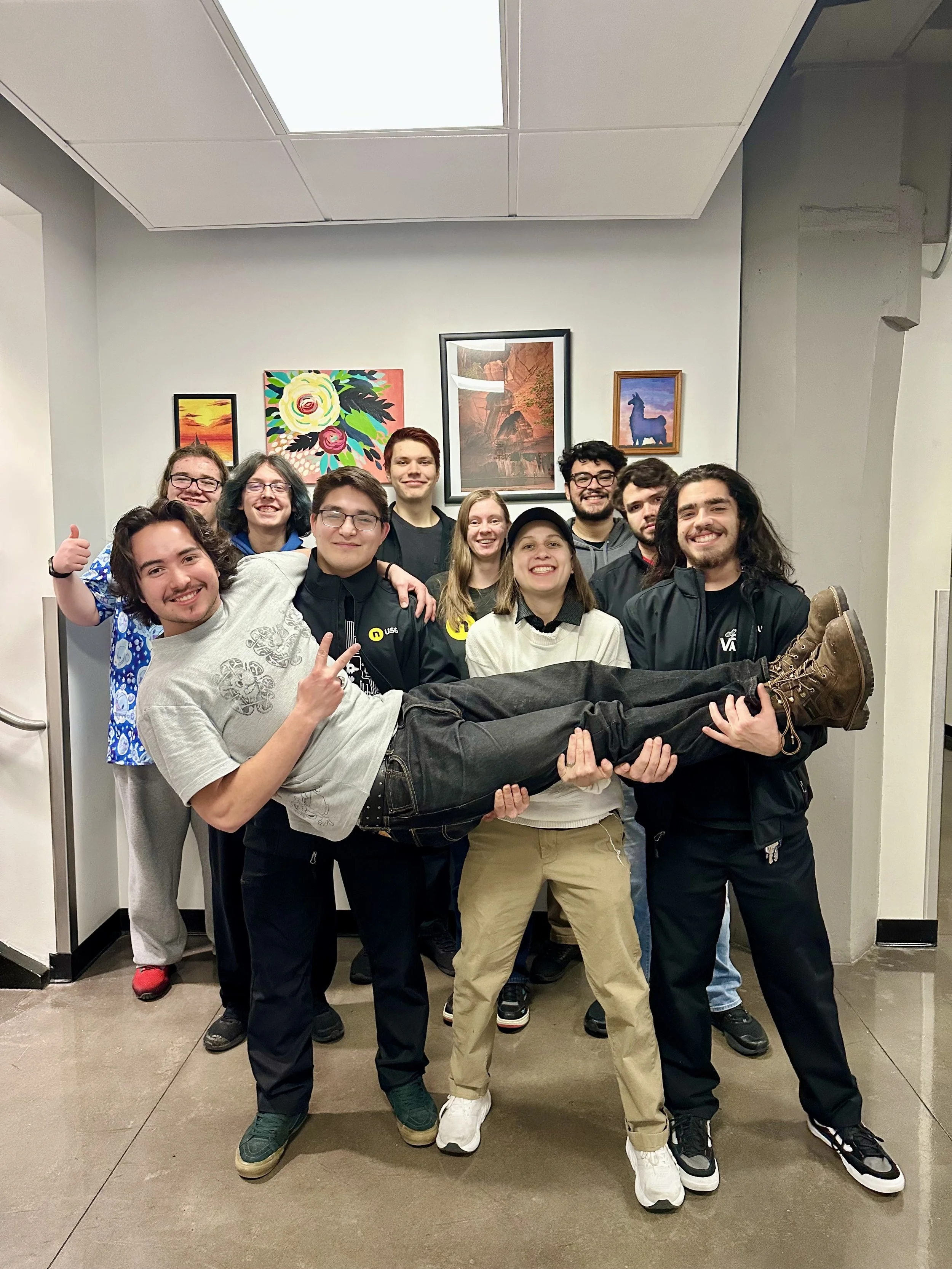
Why students join USG and what it’s all about:

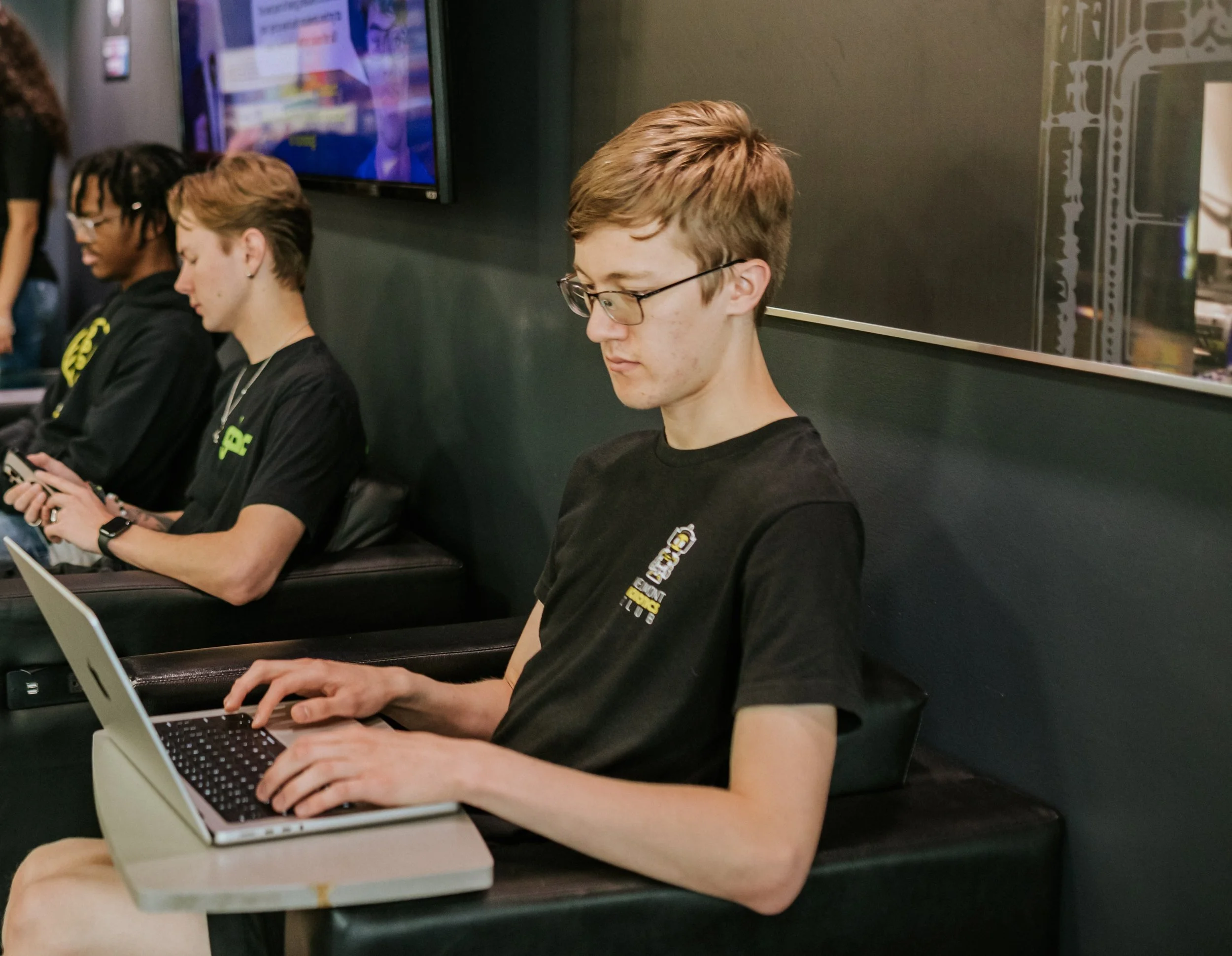
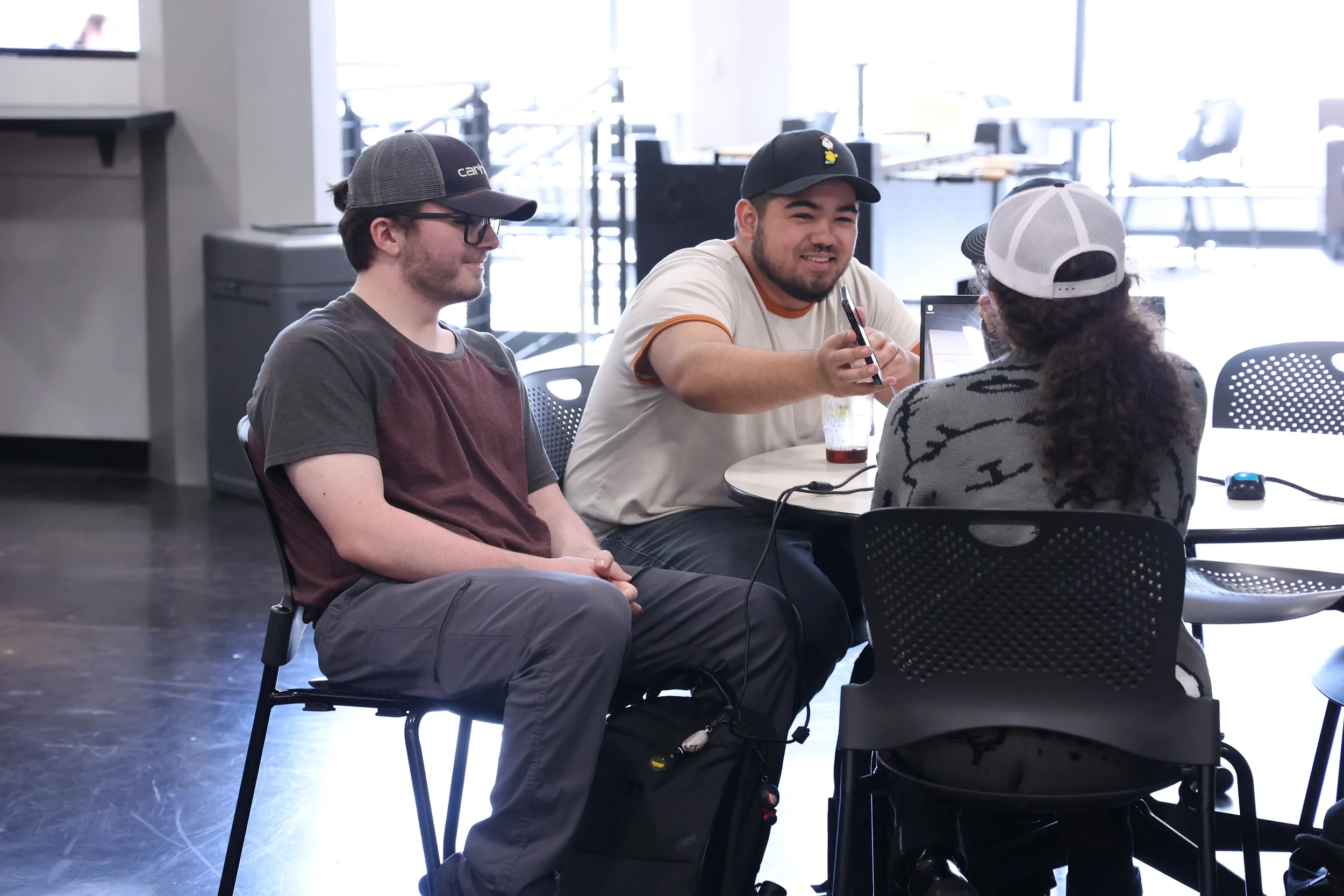
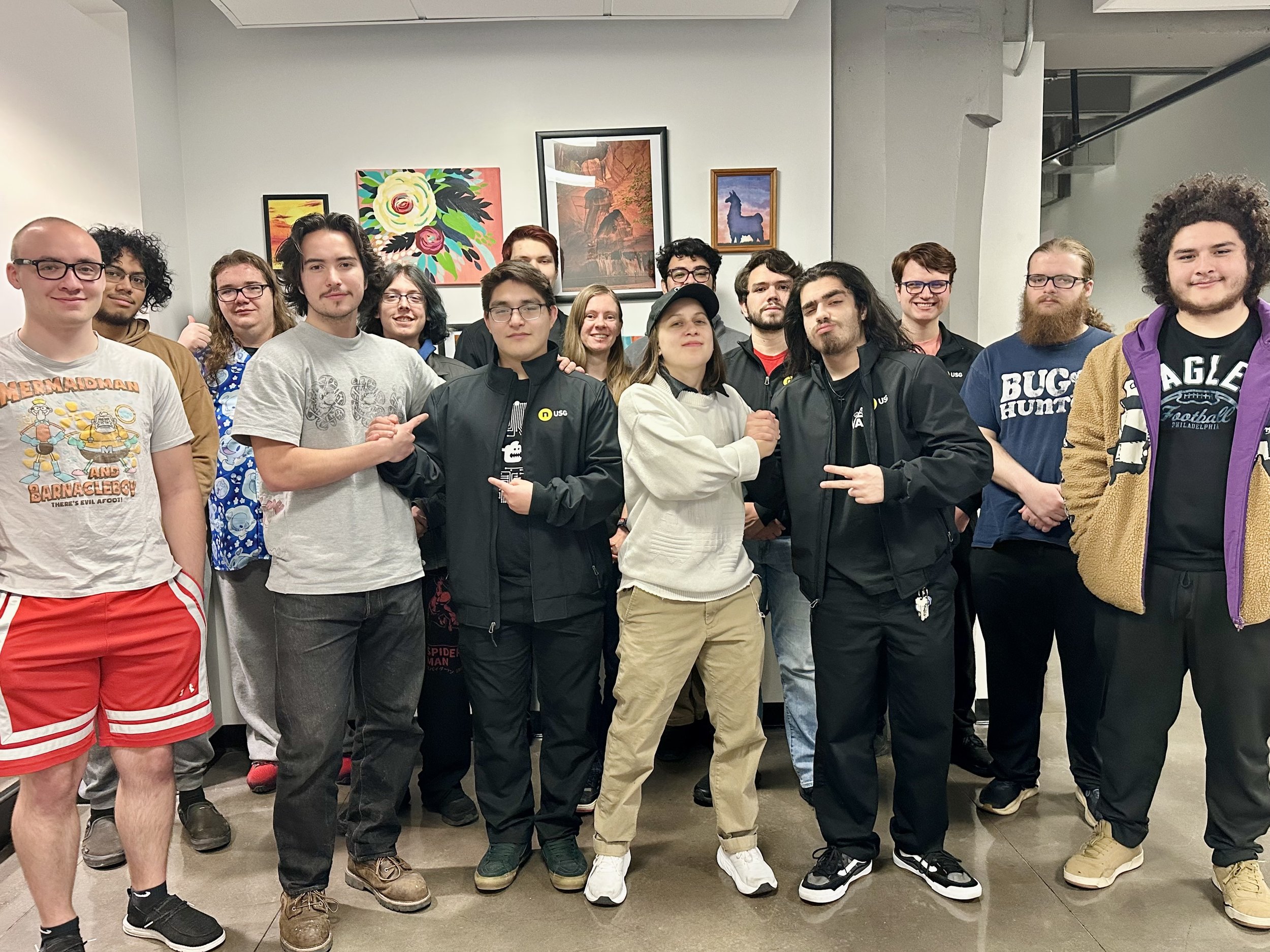
For former Marine Michael K. Perez, USG is a chance to continue serving others by sharing the leadership skills and life experience he built over eight years in the military. Mr. Perez describes USG as “a chance to learn from classmates whose backgrounds are different from my own.” He adds, “I hope my perspective will add to the diversity of voices in Neumont’s student body.”

Student Kelli Anderson has seen over the past year how current President Owen Espitia has been motivated by his student body and has improved the campus culture. She said, “I really wanted to be a part of that and see what I could do to contribute.”

Student senators have actively worked to improve the day-to-day experience on campus. President Owen Espitia advocated and obtained an updated foosball table in hopes to encourage social connection among students. USG members have also focused on practical improvements, such as installing privacy barriers in campus bathrooms, maintaining the second-floor study room, restocking feminine products, and ensuring toiletry items are available for students to freshen up. These efforts, reflect USG’s commitment to creating a comfortable and inclusive campus culture.

Academic and Student Life Coordinator Oliva Monette explains, “USG hosts a school-wide event every quarter, with the theme changing depending on nearby holidays and student input. All the events have the goal of bringing students together and raising awareness of USG.”

She added, “They also host elections every quarter to get new students to join. USG is important because it’s the main way students can put their voices into action. USG hears student ideas and does their best to take that feedback and make positive changes on campus. They’re also a great way for students to connect with the local community of Salt Lake City and gain leadership skills.”

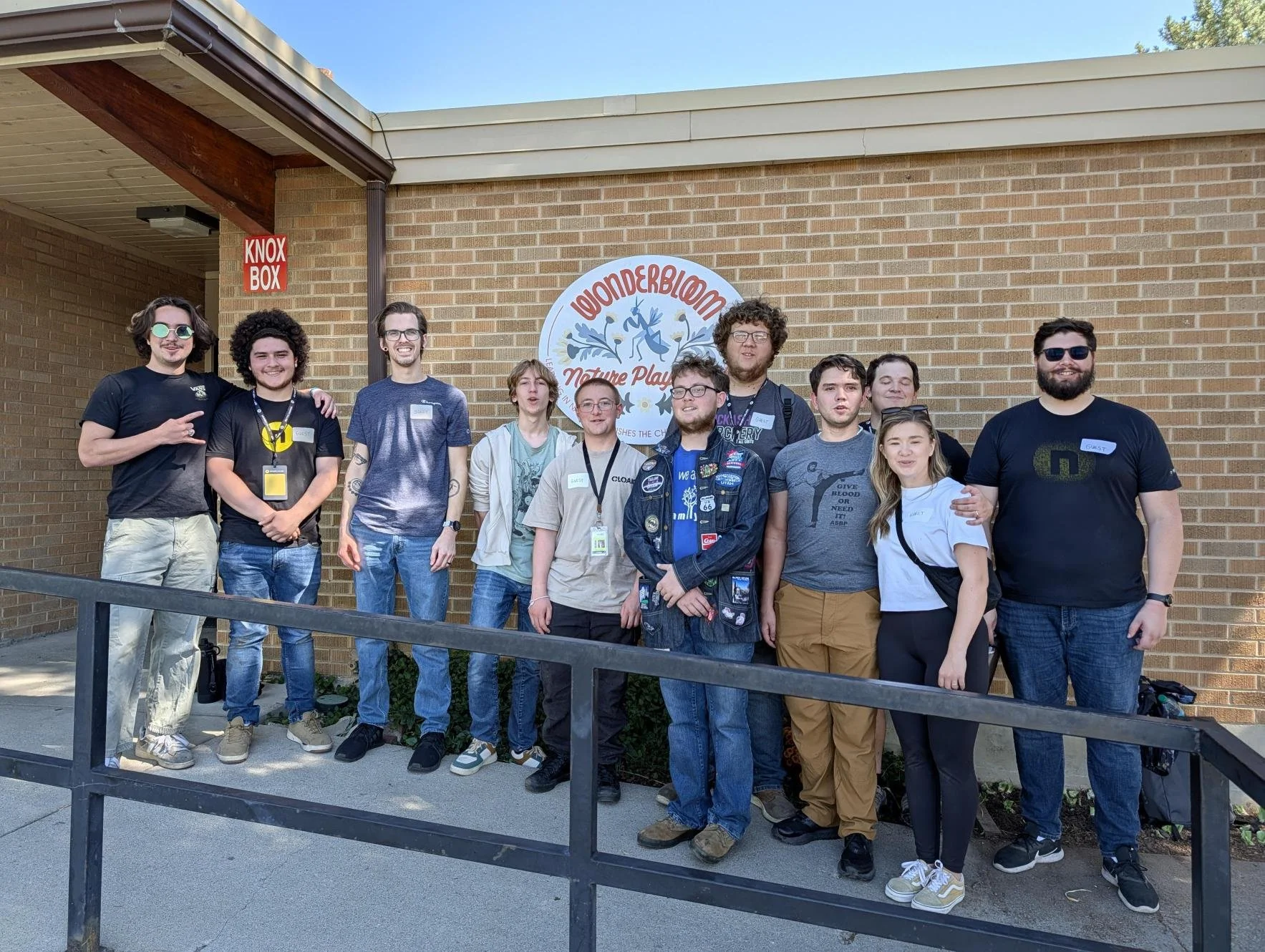
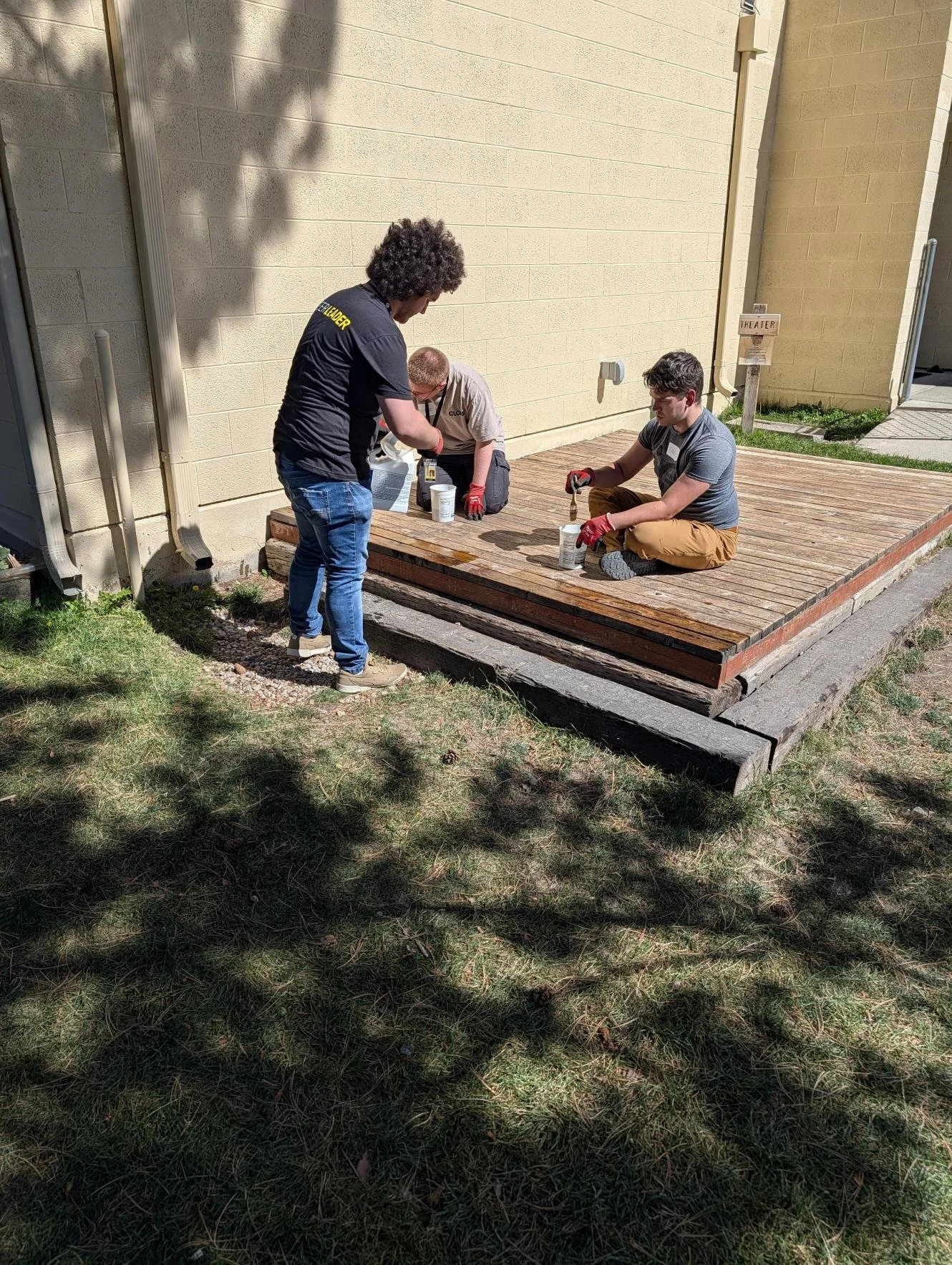
This past quarter, USG volunteered at the Utah Food Bank, where they helped sort and organize donated food items so they could be safely stored and distributed to families in need. Besides their work at the food bank, USG members Kelli A. and Zeke H. built planter boxes at a local preschool and helped clean up the Jordan River with other fellow USG members during Neumont’s day of service.

What student senators hope to accomplish:

Looking ahead, members have big plans for how USG can expand its impact on campus. Michael K. Perez is focused on student involvement. “One of the things I hope to implement in USG is more student involvement on campus. I think it’s a great opportunity for students to get involved in campus activities and meet different friend groups.”

Neumont students aren’t just focused on staying indoors, they also want to enjoy the outdoors of Salt Lake City. “We live in such a beautiful state, and I would love for USG to host more outdoor field trips. Going up to Bryce Canyon or just enjoying the views of the valley would be cool,” says Kelli Anderson.

While USG members focus on campus life, some are passionate about Neumont’s role in the local Salt Lake community. “I love the community that Neumont has, everybody knows everybody and we’re all friends. I want to be able to push that out further. I think we can play a bigger role in helping our local community, especially the homeless population,” Melanie M said.


What’s in store for USG:

Current USG president Owen Espitia sums up the future in one word: service. He expects “a lot of work ahead of us, a lot of service projects,” as Owen partners with local organizations such as the Rotary Club, to organize projects that benefit the community and help put Neumont “more on the map” in the Salt Lake area.

He echoes Senator Melanie Marie’s words to capture the heart of USG’s mission. “I think I heard Melaine Marie summarize it nicely… it’s a lot of community outreach and giving back.’ I believe that’s a good reason why a lot of us are in USG, because we all like the school and want to give back to it. It’s not really a role you take on for yourself, it’s more an act of service towards others, your community, and your school.”
 
Richard Grover's Projection Mapping
 

Projection Mapping with

Richard Grover

We sat down with Richard Grover to chat about what got him into projection mapping and how he uses it to turn ordinary spaces into immersive visual experiences. Prefer watching instead of reading? You can catch the full interview on our socials.


Q: What is projection mapping?

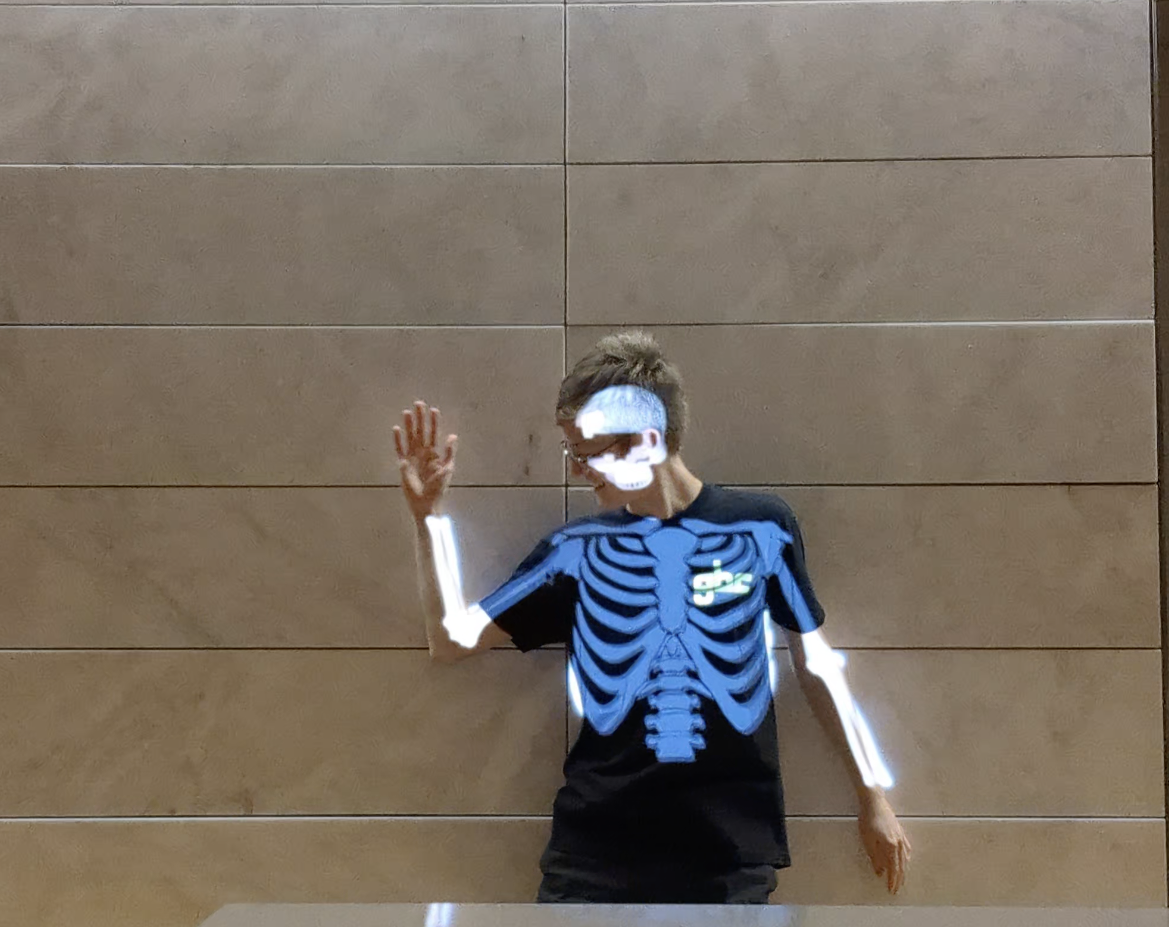
A: Projection mapping involves using a projector to shine images or animations onto objects or surfaces in a specific way so it can line up and react to the surrounding environment.

Q: How did you first get involved with projection mapping?

A: This project was my first real opportunity to work with projection mapping, though I’d seen it used at amusement parks and always wanted to try it myself.

Q: What has been your favorite projection mapping project so far?

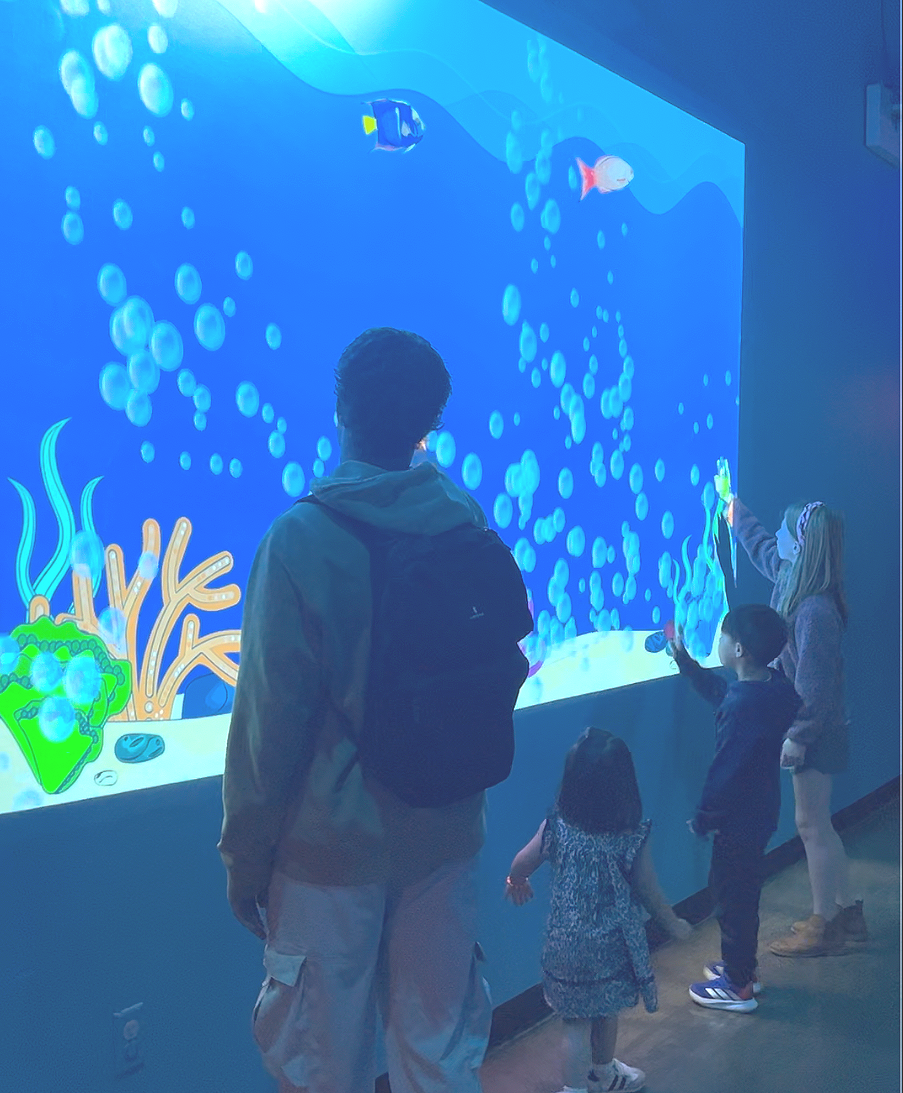
A: My favorite project was one created for the largest aquarium in the state. We made a game that lets people summon bubbles with their hands to clean trash out of a fish tank. We tested that with guests and kids absolutely loved it. That’s my favorite project.

Q: What technical challenges did you face?

A: It’s very difficult to make something react to people so quickly. It actually runs at 60 frames per second, which means that the time it takes to see a person on the ground to shining an image on the ground is less than 16 milliseconds. It took a lot of engineering work to get it that fast.

Q: What are your goals for the future of projection mapping?

A: My goal is to develop full games people can play on the sidewalk. Imagine walking by and joining a tower defense or rhythm game outdoors. I want to create games that encourage physical activity and social interaction. To me it’s the ultimate form of entertainment.

Q: What is the most rewarding part of making these experiences?

A: You know, when you make something and you spend so much time perfecting it to every detail and every animation, the best payoff is when you see people use it. When you see it light up their face, especially if it’s a group of kids, that’s very hard to beat. It’s part of what it is to be an experience maker. To have this vision in your head of what everything is going to look like at the end, to finally seeing that come to life and witness other people enjoying it, is the best payoff.

 
Neumont System Update: Introducing Neumont University
 

Neumont System Update: Introducing Neumont University 

A Name That Fits 

Neumont continues to evolve. As part of that ongoing evolution, we are returning to the name that best represents who we are: Neumont University. Restoring the title “University” reflects the academic scope we now provide and positions us to continue preparing the next generation of technology leaders. 

From College to University: What It Means for Neumont 

The return to Neumont University highlights the range of opportunities we offer, from intensive undergraduate study to graduate-level programs, uniting our enduring strength in computer science with a forward-looking focus on Artificial Intelligence. Students can now pursue a path that begins with certificates, advances through bachelor’s degrees, and extends into post-baccalaureate study. This continuum ensures Neumont adapts with the industry and equips students for success at every stage of their careers. 

“Neumont’s curriculum, academic system, faculty, and pedagogy have shaped thousands of students over the years, giving them the knowledge and tools to excel in today’s workplace. The name change to Neumont University reflects the exceptional academic standard set by the institution at both the undergraduate and graduate levels. I’m optimistic about the future of technology and enthusiastic about the future of this great institution. Go Llamas!” – Aaron Reed, Ph.D., Ed.D., President 

New Version: Same Mission 

Neumont’s mission remains unchanged: improving lives through education. We continue to provide intensive, career-focused computer science and technology-aligned education that prepares students to thrive in a rapidly changing field. Thousands of Neumont alumni are already shaping the future of technology by innovating, creating, and realizing their own dreams. This transition is more than a name; it is a promise that Neumont University will continue to inspire, lead, and prepare the next generation of technology leaders. 

 
"Overloaded" Wins Neumont's 2025 Summer Game Jam
 

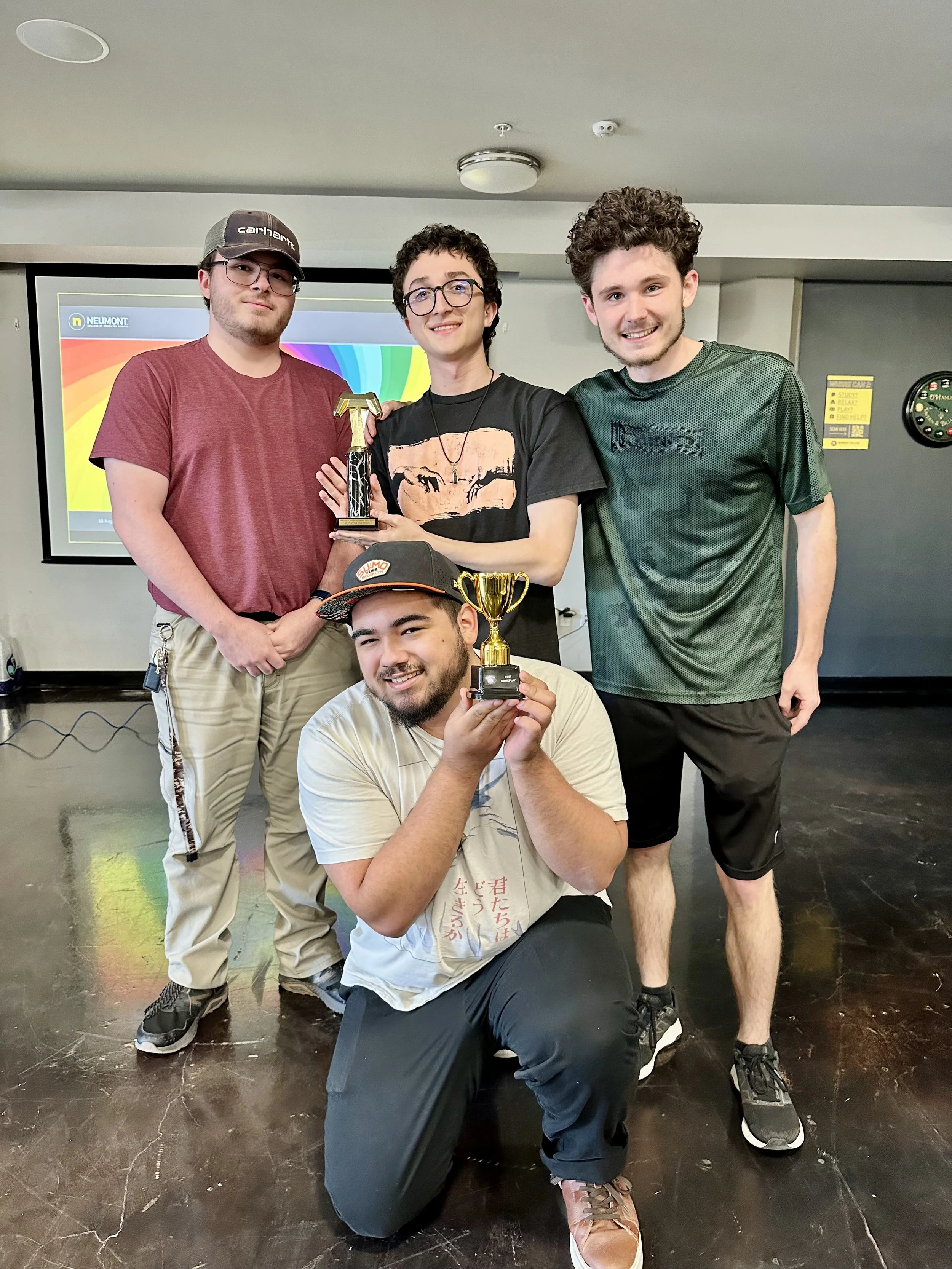
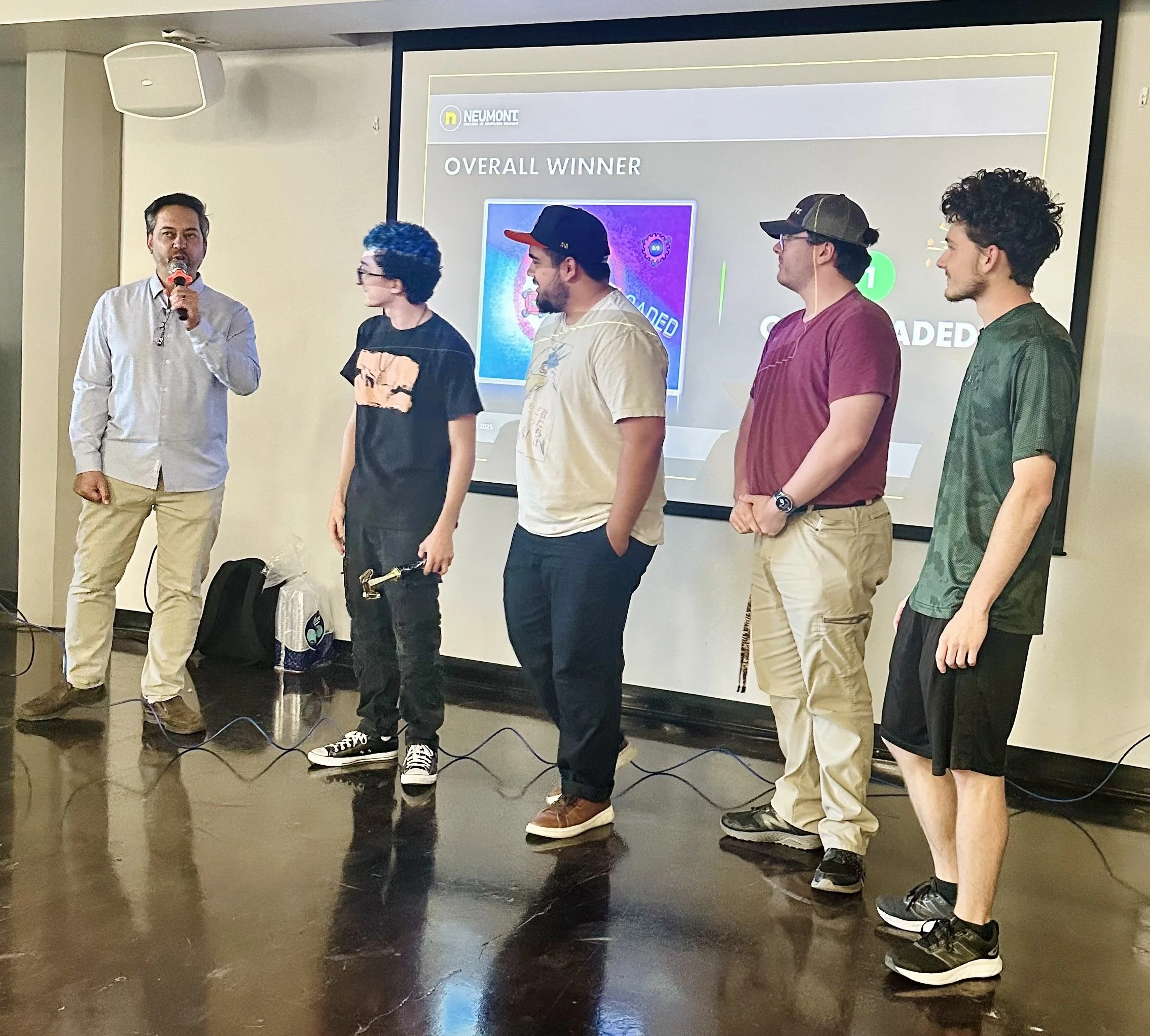
“Overloaded” Wins Neumont’s 2025 Summer Game Jam


What was the initial idea that inspired your game?
”We started out not really knowing what we were going to do for the theme, ‘It’s not a bug, it’s a feature.’ It was a difficult theme for this game jam,” explained Jacob. “But as we were brainstorming, an idea stuck: a gun that gets overloaded. From there we took off with ideas, it became about recoil, movement, and the chaos that follows when your shotgun launches you backwards across the arena.”

“If you’ve seen Big Hero 6, it was a similar scene but taken to a larger, more theatrical scale,” added Chase.

Can you explain the core concept of your game?
”The game centers around a chaotic robot-fighting arena called the Robo Ring. Players control custom-built robots that are thrown into battle, where the main objective is to survive as long as possible while taking down other robots. One key element is a discovered ‘bug’ that allows players to reload past their normal ammo capacity, giving an unexpected twist to the battles.” Bennie said.

What makes the experience stand out?
”Beyond the fighting, the game leans heavily into atmosphere,” explained Chase. “From the voice acting to pulsing lights and sound effects, the arena is meant to feel alive and immersive. The energy is designed to feel part underground fight club, part concert, making the action as much about the sensory experience as the gameplay itself.”

How did you decide what to keep or cut?
”Our instinct was to over-scope,” laughed Jacob. “We wanted to add as much as we could, you’re talking upgrades, announcer voiceovers, crowd ambience, explosions, because it gave the game personality, even though not all those elements were necessary for the core gameplay. The only feature we cut was a spiked defense upgrade idea.”

How did you split roles?
The team fell into natural roles: Chase handled back-end programming, Jacob focused on gameplay mechanics, Bennie created the art assets, and Kian worked flexibly across tasks. “We stepped outside our comfort zones, like doing silly voice acting for the announcers,” Bennie added.

Which software did you use, and how did it save you time?
”We built everything in Unity and used Krita for all the art assets. The main thing that sped up our process was Chase developing the Cobra Package. It’s basically a bundle of reusable systems for Unity that helped streamline development.”

What challenges did you face?
”The hardest part was syncing everything,” Chase said. “From tutorials to audio cues, it was about making sure the player felt like bugs were actual features.” Overall, the challenge was balancing what the player knows versus what we know as the developers.

Any funny moments and breakthroughs?
“A common thing for us is not sleeping on the last night” Jacob said. “We usually work in the same room so we can bounce ideas around quickly. My apartment ends up as the home base, even though the room is small, we bring in folding tables and just cram ourselves in there for days. One of the funniest parts was the voice acting. It was goofy and chaotic, but also one of the highlights. We hadn’t done much voice acting before, so it felt fresh and let us decompress while still adding personality to the game” Chase said.

If you had more time, what would you add?
”More upgrades,” the team agreed. “Spikes, shields, healing feedback, making the tanks more customizable and readable for the player.”

What are you most proud of?
”The polish,” said Jacob. “The lights, explosions, and announcer banter gave it a unique vibe. But really, it was how well we worked together.”

When asked for advice for future game jammers, Jacob summed it up:
”You have to enjoy it. Passion is what pushes you through the crashes, bugs, and long nights.”

Overloaded is available to play at the button below.

 
Neumont Hosts High-Stakes Hackathon
 

Neumont Hosts High-Stakes Hackathon

Neumont College recently hosted a 48-hour hackathon, hosted by the Program Chair of Software and Game Development degree, Ray Maple. Maple is an industry veteran with over 20 years of experience developing video games for companies like Disney, Warner Bros, Nintendo, and Sony. The Hackathon included 16 teams competing under intense pressure to develop technical projects across several categories.  

The theme for this year’s hackathon: “A Better Tomorrow,” challenged students to develop products that improved the lives of others. The event’s timeline gave the participants only 48 hours to create and submit their projects. Faculty judges, Joe Shull, Program Chair of Artificial Intelligence Engineering degree, Ray Maple, and Omkar Terse, Instructor, were then given 24 hours to review and determine the winners.  

Categories That Drove the Competition 

Participants could enter one of several categories, each demanding a unique set of skills:  

📱 App Development 

🧠 AI 

💻 Hardware & 🤖 Robotics 

🎮 Entertainment & Games 

A Weekend of Innovation and Learning 

The weekend was filled with early morning brainstorming meetings, coding sessions running late into the night, and energy drinks fueling the creative process. Participants like Damian Lagunas recall struggling to get their team’s mobile application, SYNC, to connect: “We had all the parts to put together our project but struggled with making it work with each other. We realized that we had over scoped our project.”  


 Meet The Winners 

ARTIFICIAL INTELLIGENCE - Richard Grover, Tyson Jenkins, and Josh Arbon created Waterlog. A neural network written from scratch in C++ that is trained on a water quality dataset. It can determine if water is safe to drink based on properties like pH and oxygen content.

APPLICATION DEVELOPMENT - Noah Delbridge and Darion Quarles submitted A Better Tomorrow. A domain designed to direct users to the right sources for help, eliminating the need to navigate through countless websites. Sources include help hotlines, shelters, and education centers. 

ENTERTAINMENT & GAMES - Jacob Leonardo developed the game Speederena. A combination of fast-paced racing and intense arena combat, challenging players to not only be the fastest but also the smartest on the track. The game features sleek, customizable vehicles that race through futuristic environments, filled with sharp turns, obstacles, and power-ups.  

The Hackathon pushed students to develop something useful in a short amount of time, proving they could hack it. Can you? 

Keep an eye out for future events! 

 
INSIDE THE RING: STACK OVERSPIN
 

INSIDE THE RING: STACK OVERSPIN  

In the world of robotics, there exists a subculture of innovation, engineering, and sheer adrenaline: it is combat robotics. Fierce machines, meticulously crafted, engaging in high-octane battles where survival is determined by design, strategy, and a dash of luck. Introducing the Utah Combat Robotics Spring Fling 2024, where the spotlight shines on contenders like NeuRobotics Club and their bot, Stack Overspin. 

NEUMONT’S ROBOTICS CLUB (NeuRobotics) HISTORY 

Founded in 2021 by students Michael Rowland and Matthew Munoz-Ramirez, who were freshmen at the time, NeuRobitics got it’s start when the two decided to create a robot made from Legos and designed completely in Java.  They simply took the skills learned in their class and turned it into a fun hobby. Soon after, the club gained popularity and now is competing collegiately.  

The club even struck up a sponsorship with Make Salt Lake, a community maker space designed to enhance Utah's creative and tech communities by providing affordable access to tools and learning experiences. At Make Salt Lake there are dedicated workshops and tools available for members to utilize, such as a woodshop, metal shop, and a prototype lab where Stack Overspin was forged. 

WHO IS STACK OVERSPIN? 

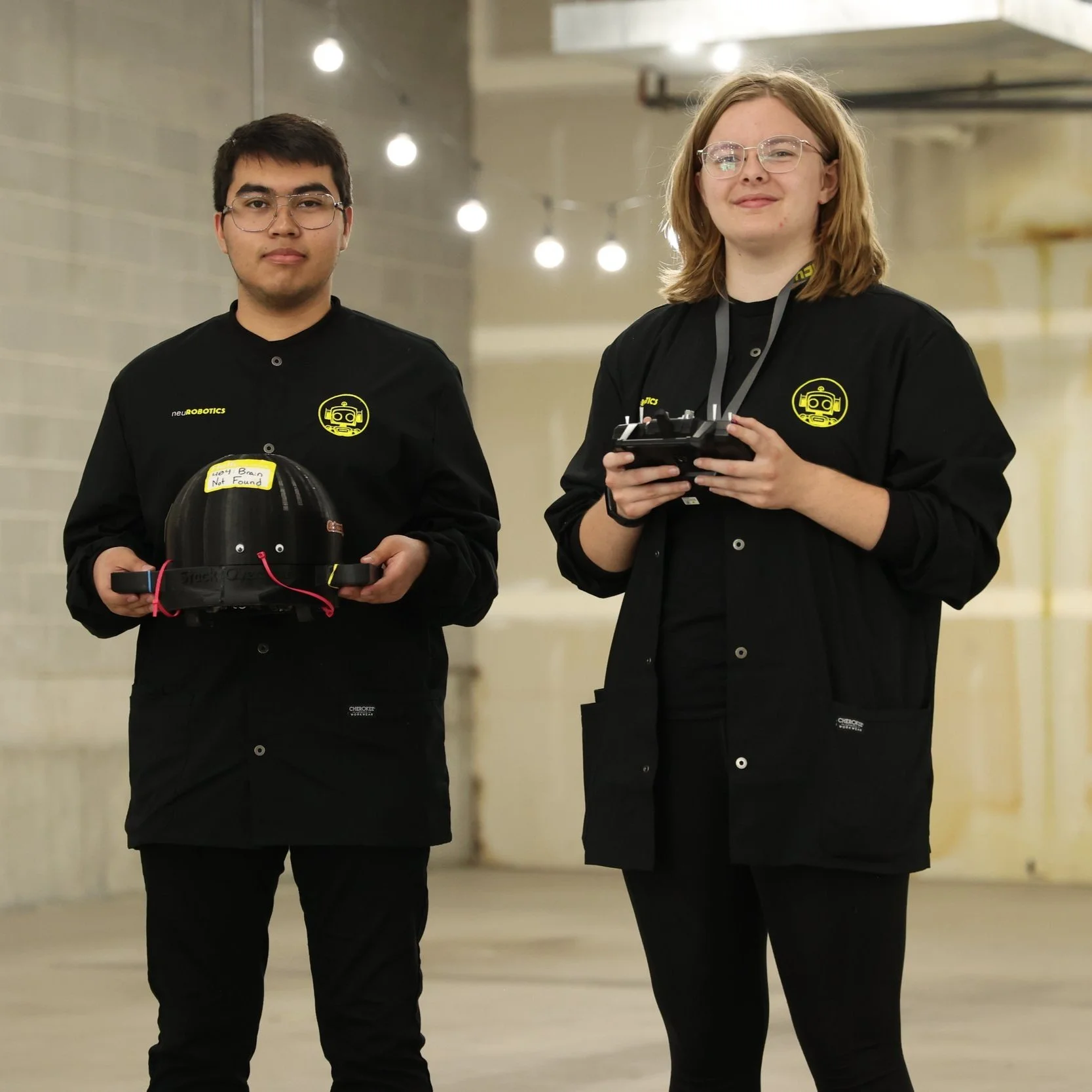
Stack Overspin isn't just another combat robot; it's a testament to ingenuity and a crash course in learning. Crafted by students Michael Rowland, Matthew Munoz-Ramirez, Abigail Gerson, and Christian Grey, the 3 lb plastic weight bot embodies the concept of "meltybrain" – a relentless whirl of motion designed to outmaneuver and outwit opponents. Inspired by formidable predecessors like Project Liftoff and Blendo, the famous destructive bots, Stack Overspin aims to carve its own path in the arena, one rotation at a time. 

PLASTIC BEETLEWEIGHT DIVISION 

In Utah’s Bi-Annual Combat Robotics competition, there are multiple divisions: the Plastic Ants, the Ants, the Beetles and the Plastic Beetles. Competing in the 3 lb plastic beetleweight division, Stack Overspin finds itself in uncharted territory. Check out the competition here < Robot Combat Events>. With only a 3 lb weight limit and no metal allowed on the outside of the robot, NeuRobotics Club faced some challenges. 

One specific challenge almost cost the team the competition; three days before the competition both motors had collapsed! The wiring came out of place causing Stack Overspin to lose all control of movement. If this were to happen in the ring, consider Stack Overspin … a sitting duck. Watch all the behind-the-scenes moments and the action of the battle below. ⬇️ 

THE COMPETITION 

Win or lose, Stack Overspin's debut marks the beginning of an exciting chapter in the NeuRobotics journey. With each competition, they'll refine their craft, hone their skills, and continue to push the boundaries of what's possible in the world of combat robotics. As the dust settles and the cheers fade, one thing remains certain: Stack Overspin and its creators are just getting started. Watch out, world – the underdogs are here to stay. 

 
Rewind The Reel with Screamboat Willie
 

Rewind The Reel with Screamboat Willie 

In the dynamic world of video game development, innovation and creativity often emerge from unexpected places. One such example is "Screamboat Willie," a captivating game with a terrifying twist, created by a group of Neumont students. Inspired by the team’s admiration for the classic Steamboat Willie, they developed this interactive game in under 10 weeks.  

With such an impressive design, instructor and Corporate Relations Manager Bret Wardle decided to take a go at completing this game. Bret, with a seasoned background in game and software development, having worked in the gaming industry for over 20 years, provided a thorough rating of Screamboat Willie.  

The Birth of Screamboat Willie 

The team behind this game, comprised of students with diverse skill sets, came together with a shared vision: to create a game that would stand out in the crowded indie game market. With a tight deadline of less than 10 weeks, they set out on a project that would test their abilities and push the boundaries of their dev skills. 


Game Concept and Mechanics 

The premise of "Screamboat Willie" is as intriguing as its name suggests. Set in a mysterious environment, your player must navigate through various challenges aboard a steamboat. The game combines elements of adventure, puzzle-solving, and strategy, offering a unique gameplay experience that keeps players on their toes. The art style is charming, reminiscent of early 20th-century animation, which adds a nostalgic touch while maintaining a modern appeal. 

One of the standout features of "Screamboat Willie" is its innovative use of sound. The game’s mechanics are intertwined with audio cues, requiring players to listen carefully and keep calm to navigate obstacles, solve puzzles, and avoid being heard.  


The Development Process 

Creating a game in such a short period is no small feat. The team had to efficiently manage their time, allocate tasks based on individual strengths, and maintain a constant flow of communication.  

The students utilized various tools and technologies to bring their vision to life. From game engines like Unity, to design software such as Photoshop and Blender, they employed a range of resources to develop and polish the game. Their ability to integrate different aspects of game development, from coding to design and sound engineering, is evident in the final product. 

If you’re looking for a unique and engaging gaming experience, "Screamboat Willie" is worth a try. Available, for free, on Steam. 

 
Showcasing Excellence
 

Showcasing Excellence

Six Students Compete in the 2024 Capstone Invitationals 

Capstone Projects are a hallmark of project-based learning, requiring students to apply their knowledge and skills to create and present a project to their classmates. These projects are graded by faculty and must be completed to advance to the next phase of their education. Capstone allows our students to demonstrate their technical prowess, creativity, and problem-solving abilities needed to complete their project, which must be completed in under 10-weeks. 

Once these projects are completed and presented, each respective program chair will select the best from their program to represent their degree at Capstone Project Invitational. Recently six exceptional students competed in the prestigious competition that highlighted their impressive projects. 

Introducing The CPI Finalists ⬇️ 

1. Carwise 

Abby showcased her project, Carwise, which involved creating an intuitive and user-friendly application that simplifies complex vehicle diagnostics. This application was created to educate vehicle owners and encourage at-home repairs to save on mechanic expenses. Abby's project stands out due to her attention to detail and commitment to improving accessibility, ensuring that her application is inclusive and easy to navigate for all users.


2. Mane Frame Photography 

Katie presented a groundbreaking dynamic web application that leverages the latest technologies to enhance performance and user interaction, even using the WCAG standards or Web Content Accessibility Standards. Katie's meticulous coding and innovative features demonstrate her deep understanding of modern web development and culminate in a web-based photography database with a western flair.


3. The Gemini Project 

MJ's project delved into the world of cybersecurity and information systems. By harnessing the power of cryptography, she built her photography website with Python, Django, ReactJS, and Axios, offering seamless text encryption into stenographic images using diverse ciphers like LSB, Vigenere, and Caesar.  


4. Brokie Studios ft. Tower of Odyssey 

Patrick's project focused on the project management of his company’s first release: Tower of Odyssey, a critical area in today's digital landscape. He created Brokie Studios with two Neumont alum and together they plan to develop a wide range of video games. Tower of Odyssey is a single-player, story driven action-adventure game.  


5. Goobin 

Platte developed an engaging and immersive game, Goobin, that utilizes artificial intelligence by using Behavior Trees and State Machines. Platte's project not only demonstrates his technical skills but also his creativity by integrating AR into practical applications, offering players an enhanced way to interact with the game. 


6. Dashtrac 

Xander designed and developed a warehouse and order management system that features automation and seamless integration with the production and warehouse teams. Dashtrac is already being used by companies like Harvest Meadow allowing Xander to test his skills in the real-world. 


These six students have demonstrated exceptional talent and dedication through their Capstone Projects. Their achievements are a testament to the quality of education and the emphasis on hands-on learning at Neumont College of Computer Science. 

 
Rolling Out TWO New Degrees: BSAIE and BSAAI
 

ROLLING OUT TWO NEW DEGRESS: BSAIE & BSAAI


get insights directly from the program chairs themselves and delve into their recent interviews below. ⬇️


Joseph Shull, Chair of the BSAIE program, shared his enthusiasm: 

With over a decade as a software engineer for a variety of consulting firms and large multinational organizations, Shull currently instructs several courses at Neumont including Databases 1 & 2, Mobile Application Development, and Web Based Software Projects.  

"I am most excited about the opportunity to work with students on such innovative and universally exciting technologies and ideas. I have been passionate about computing my entire life and have always loved working on new technologies, pushing the boundaries of what is possible, and finding new ways to solve problems. Nothing challenges what we do and how we do it more than Artificial Intelligence. I find it difficult to think of any technology as exciting and transformative as Artificial Intelligence, especially having had the opportunity to work on and teach it during its infancy! I am so excited to be able to shape a new curriculum that equips students with the skills needed to excel in the rapidly evolving field of AI."  

Jeremiah Stroup, Chair of the BSAAI program, explains the necessary adaptation: 

A Neumont alumni with over 15 years of experience managing software development projects, Stroup previously chaired the Bachelor of Science in Business Technology Management program.  

“While Artificial Intelligence has been around for a while, we’re seeing the adoption of it become more intertwined with our day to day lives. Everyday consumers can apply this tech to their personal lives, their jobs, and industries. Chairing the BSAAI degree gives me an opportunity to help others be a part of this disruptive modern technology.” 

Who Will Excel in These Programs? 

Shull states: "The students who will excel in the BSAIE program are those who are passionate about problem-solving and technology and who are excited about AI. This includes students who already have an extensive background in computers and programming, but it also includes many students who have never coded a day in their life but are passionate about these ideas. That drive, coupled with our innovative and hands-on program, will enable these students to be leaders in our industry, driving the development of intelligent applications, transforming how we develop and maintain software systems, and solving exciting new problems in an AI-powered world." 

 Stroup echoes, success “in the BSAAI degree hinges on a passion for learning and applying new technologies to various complex systems and problems. Students here aspire to shape sophisticated intelligent systems that enhance human potential.” 

Career Opportunities for Graduates 

Graduates of the BSAIE and BSAAI programs can anticipate diverse career paths, from

  • AI software developer,

  • machine learning engineer,

  • ata scientist,

  • AI systems architect,

  • research scientist,

  • data engineer,

  • data analyst,

  • Ai engineer,

  • database administrator,

  • AI product manager,

  • technical program manager,

  • business analyst,

  • ML engineer,

  • technical account manager,

  • project manager

And yes, there’s even more. Shull highlights the breadth of opportunities across sectors like: “Technology, healthcare, finance, and automotive industries, among others. Potential job roles include

  • AI software developer,

  • machine learning engineer,

  • data scientist,

  • AI systems architect,

  • research scientist.

Additionally, given the program's strong emphasis on ethical implications and social impact, graduates could also pursue roles in policymaking or consultancy to ensure the responsible deployment of AI technologies." 

The Future of the Programs 

Looking ahead, Stroup projects future advancements: “in 5 years, I envision expanded mentorship opportunities between alumni and current students, aligning the BSAAI program even more closely with market and technological shifts.”  

Shull envisions Neumont’s programs becoming leaders in AI education: 

"The integration of theoretical foundations with practical, hands-on projects and interdisciplinary collaboration will empower our students to become innovators and leaders in AI…I believe that our timely introduction as one of the first educational programs of its kind, combined with these focus areas, will establish us as industry and thought leaders in the field of Artificial Intelligence for many years. It will also enable us to play a pivotal role in shaping how these technologies are used and continue to be developed." 


In conjunction to these new degrees, Neumont College has made the decision to no longer offer our Bachelor of Science in Business Technology Management and Bachelor of Science in Web Development degrees. We have adjusted our curriculum to absorb both degrees, so every degree’s standard curriculum involves elements of technology management and web development.   

The launch of these two new degrees is our next step in going all in on artificial intelligence as we continue equipping our students with the skills necessary to thrive in the rapidly changing world of technology.  

 
DISCOVER LIGHTGONE
 

DISCOVER LIGHTGONE 

In the ever-evolving world of indie games, a fresh and exciting title has recently emerged, capturing the attention of gamers and critics alike. “LightGone,” developed by a talented group of students, promises to take players on an unforgettable journey through a dark and enigmatic world. 

ENDURE THE DARKNESS 

LightGone stands out with its intriguing premise and atmospheric design. The game plunges players into a universe where light itself is a rare and precious resource. In this RPG you must “traverse eerie liminal locales and evade lurking monsters to unravel the mysteries of this chilling 2D game,” and lead your character, Ashley, to safety before the shadows consume you.  The game’s story, rich with mystery and emotional depth, explores themes of isolation, dread, and the sense of impropriety.  

The developers’ credit most of their inspiration of LightGone from two intense survival games: Undertale, for its top-down aspect and heavy story focus and Amnesia: The Dark Descent, for its puzzles and horror themes. 

Innovative Gameplay 

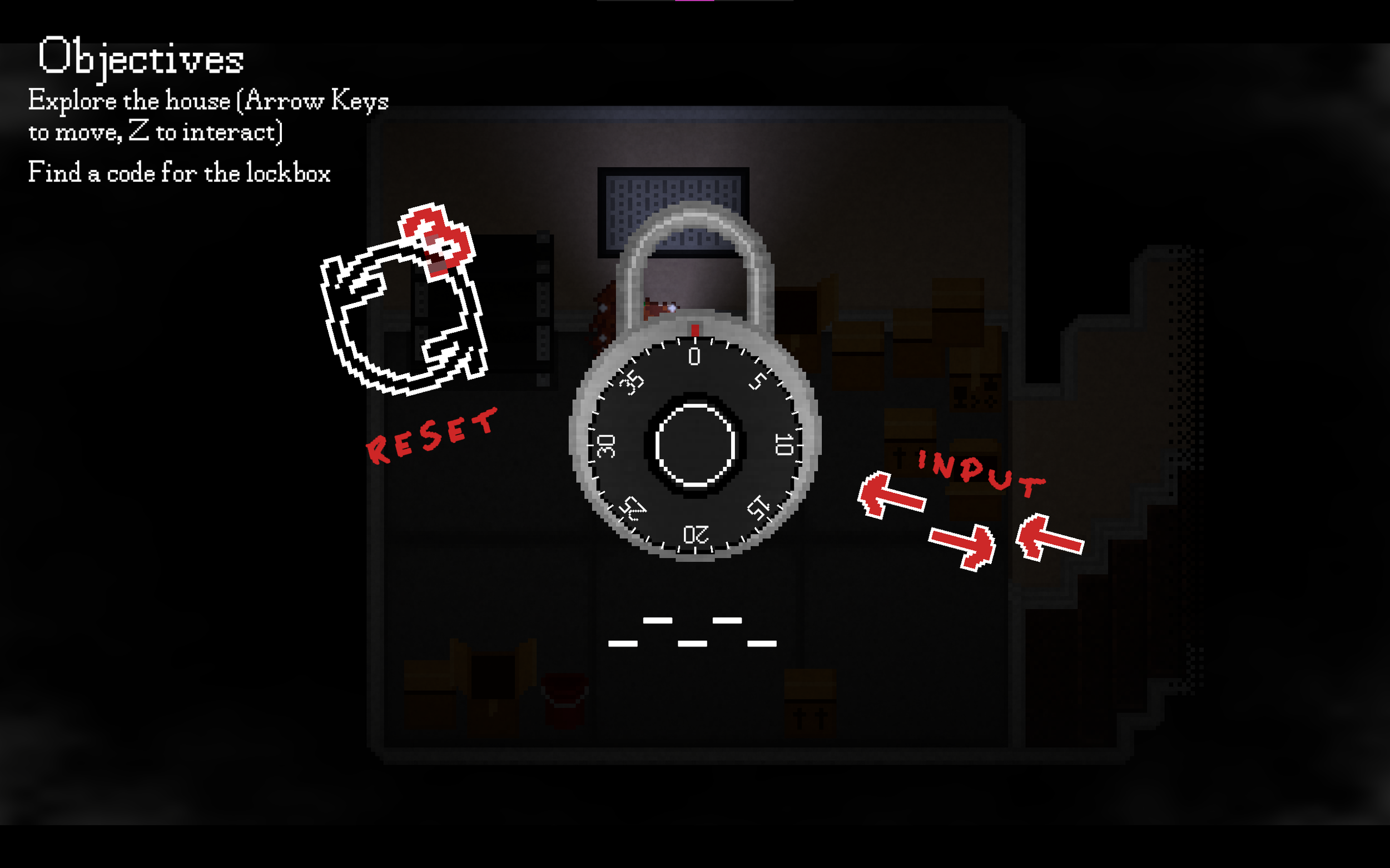
The puzzles in LightGone are cleverly designed, requiring both logic and creativity to solve. The game’s developers balanced challenge and accessibility, ensuring that players of all skill levels can enjoy the experience. Take for example, the rotatory lock and lights out puzzle. Team developer Valeria Arenas explains that the rotatory lock works like a real-life lock. It will check for the number of rotations and will unlock when the correct numbers are hit. But the lights out puzzle is randomly generated, “we knew there was a possibility for an infinite pattern, so we made a way to reset the puzzle through the mailbox.”  A shoutout to Edward Miller for his hard work on creating the prototypes for the levels and puzzles that were implemented with visuals and effects.

A Testament to Student InGENUITY 

The creation of LightGone is a testament of our student’s ability to innovate by demonstrating remarkable creativity, and technical skills bringing their vision to life. They used applications such as Aseprite for their visuals and assets, designed by teammate James Scott. All lighting effects and AI were created by Joshua Guerra using Unity’s Universal Render Pipeline (URP). And for audio, the team used a combination of MusicMaker, Audacity and, as Valeria calls it, a game developers’ best friend: freesounds.org. Both Valeria and Ethan Dixon collaborated to create their own foley sound effects! 

Join the Journey 

LightGone is now available on Steam, and it’s a must-play for fans of indie games and puzzle adventures. As you step into this dark mode world and strive to bring light back, you’ll not only experience a captivating story but also support the burgeoning talents of young developers. So, dive into the shadows, embrace the challenge, and discover the light with LightGone. 

Check out LightGone on Steam and be prepared to be amazed by what a passionate group of college students can achieve. 

 
ESPORT CHESS CAPTAIN LEADS TEAM TO CHAMPIONSHIPS IN FIRST TOURNAMENT
 

CHESS CAPTAIN LEADS TEAM TO THE FINALS 

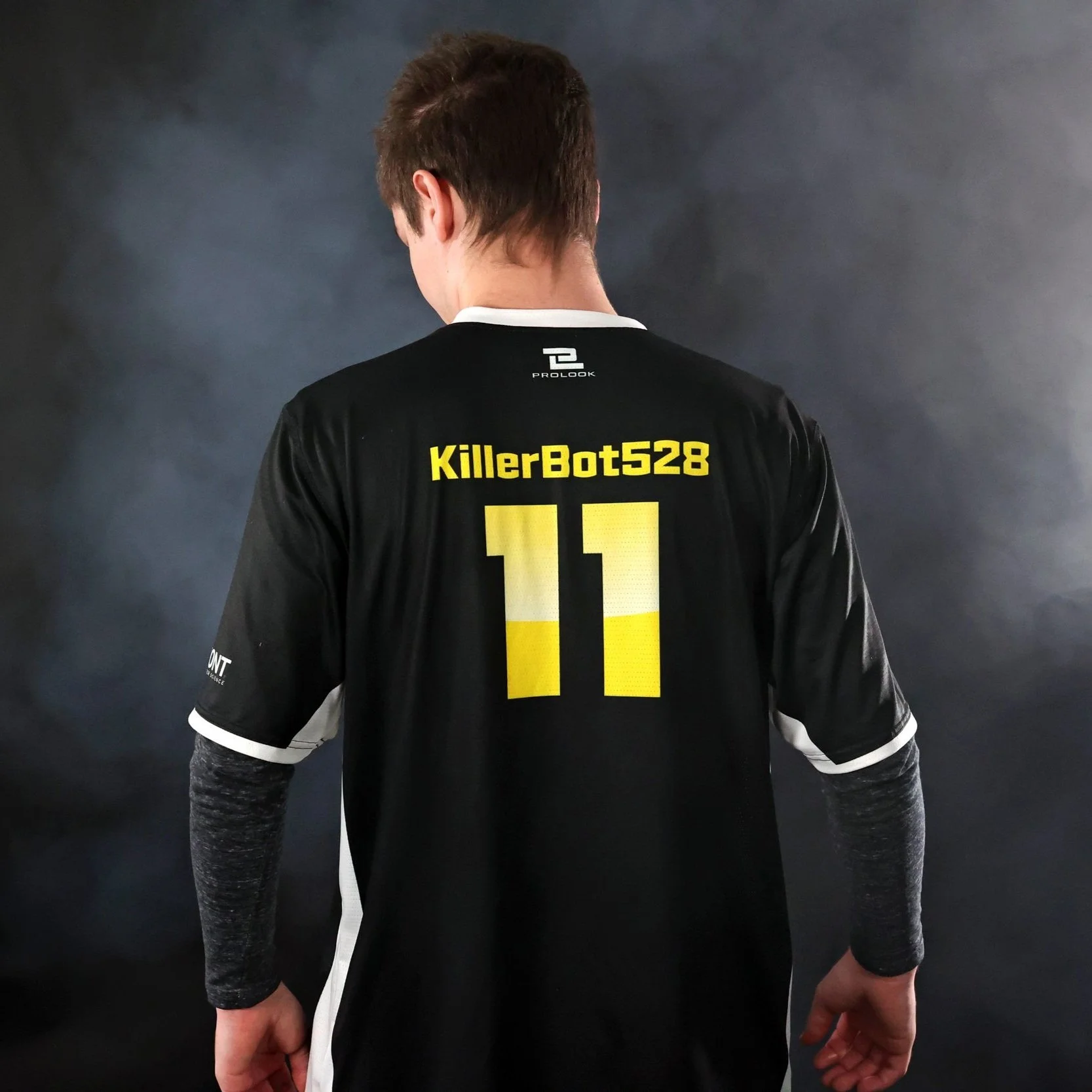
In an impressive debut, Captain, Collin Greiss led our Chess team to their first visit to the finals in NACE’s Starleague tournament. This remarkable achievement highlights not only Collin’s dedication to the game but also the supportive and vibrant community within the team. 

New Jersey ROOTS

Hailing from New Jersey, Collin’s journey into the world of chess began at home. “I first learned to play chess from my brother,” he recalls. The game quickly became a passion during his freshman year in high school, sparked by friendly but competitive matches with a close friend. “We started playing for fun, and since we were both highly competitive, it made me really start playing seriously.” 

Influences & Mentors 

While Collin hasn’t had a formal mentor in chess, the influence of his brother and high school friend were significant. Collin credits his success to both his brother who taught him the key principles which he follows today, and his high school friend, who he played against daily. These early influences laid a solid foundation for Collin’s growth as a player.  

From Casual Club to Esports Contenders 

Initially, the Chess team at Neumont College started as a casual club until members made the decision to play competitively and join Neumont’s Esports Program. This change increased the competitiveness of the players as well as the game dynamic considering they had to make the switch from in person to virtual play. “The challenge has always been getting enough members who want to play competitively,” Collin shares. Despite the hurdles, the team’s transformation into a competitive force in esports has been a testament to their dedication and love for the game. 

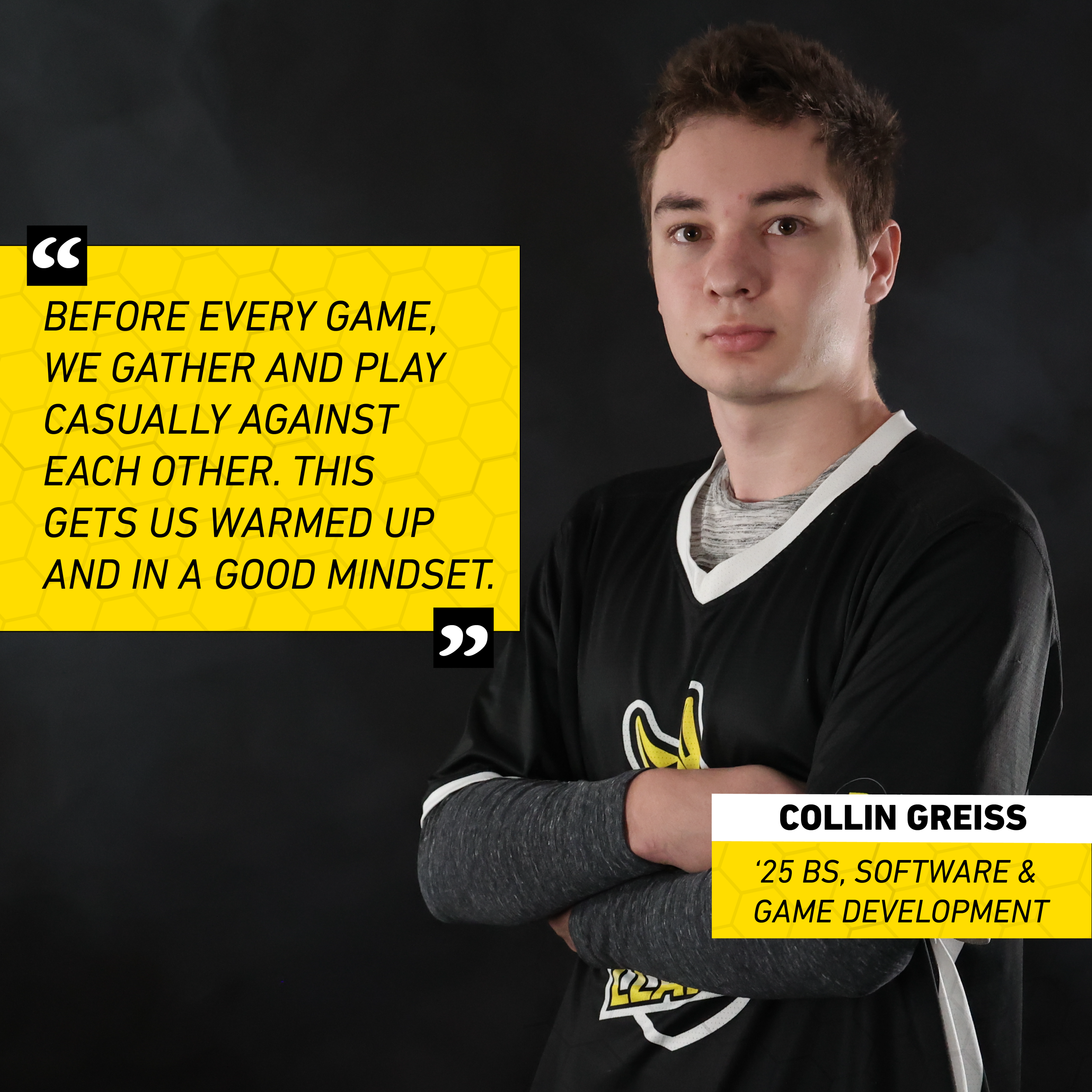
Preparing for major tournaments involves a mix of casual play and strategic mindset. Collin reveals his team’s preparation: “Before every game, we gather and play casually against each other. This gets us warmed up and in a good mindset.” This approach not only sharpens their skills but also reinforces the camaraderie and positive atmosphere within the team. “I love the general atmosphere the team gives off. Even if you are having a bad day, whether from chess or in general, my teammates are always there to improve it.” 

Advice for Aspiring Chess Players 

To those looking to follow their passions, Chess Captain Collin Greiss offers this advice: “Enjoy the game and play often. Chess is not all about studying; it’s about having fun and learning as you play. If you enjoy it, you will get better at it over time.” 

This student’s story is a powerful reminder of how passion, coupled with a supportive community, can lead to extraordinary achievements. His leadership has not only brought victory to Neumont College’s chess team but also inspired others to pursue their interests.  

Stay up to date with our Esports program by following us on Instagram!

 
Neumont’s Spring Game Jam 2024
 

Neumont’s Spring Game Jam 2024

The people have spoken!  Ray Maple, Game Dev Chair, heard your pleas and decided to host another Jam: Spring Game Jam 2024. More than 35 people participated, and 29 games were submitted. Talk about a turnout. 

WHAT IS IT? 

The Olympics for game developers, AKA Game Jams, where enthusiasts and so-called pros gather to churn out games at the speed of light. They work themselves to the bone, solo or in teams, to create something from scratch in a ridiculously short time frame. And let's not forget the cherry on top: there's always a theme they must fit into their creations, just to keep things spicy. 

The event attracted individuals from diverse backgrounds, all united by their love for gaming. A Neumont alum also participated in this year’s Spring Game Jam – Mark Nusser, who is currently a software developer at WinMill Software. Mark had this to say about the event, “Game jams are an amazing opportunity to test your limits and see what you can create in a very short time limit, and Maple’s jams are no exception. I had so much fun and look forward to attempting a back-to-back victory in the next one!” 

The judging panel, comprised of industry professionals, faculty members, and the public, were tasked with voting for the winners across various categories. In the end, the standout games emerged victorious, earning recognition for their outstanding creativity and execution.  

WHO WON? 

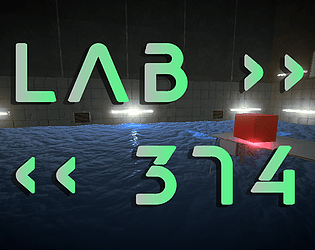
Best Overall Game: LAB 374 


Description: Lab 374 is a puzzle game where you solve puzzles in each room with cubes. To get into a new room, you must collect cubes and put them on colored buttons so they can open their doors. There is some platforming within the game where you must guess which square is real or not. 


Best Graphic & Best Gameplay: BLOOD-DRIVE 

Description: Blood-Drive is a racing game where you attack other cars for fuel. The more fuel you have the faster you go, but if you run out you get slower until eventually…you blow up. 


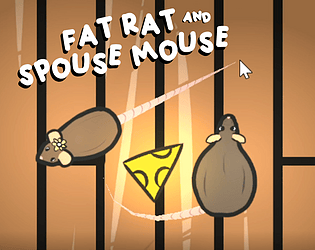
Best Innovation: FAT RAT AND SPOUSE MOUSE 

Description: Fat Rat and Spouse Mouse is an obstacle game where you control two mice, the first is controlled with WASD and the other is flung with your mouse. Each mouse has a different obstacle to avoid: the WASD mouse dodges a cat’s paws and goes around a Lego path while the fling mouse dodges sticky traps. 

WHY WE DO IT 

The Neumont Spring Game Jam 2024 is not just a competition but also a celebration of creativity, innovation, and collaboration within the gaming community. It provides participants with a platform to learn, grow, and make connections with like-minded individuals. 

As the event ended, participants were left with a sense of accomplishment and inspiration, fueled by the experience of bringing their game ideas to fruition in a collaborative and supportive environment. With the success of this year's Spring Game Jam, anticipation is already building for the next installment, promising even more excitement and creativity. 

Want to see the games? Check out all the Spring Game Jam entries below! 

 
NEUMONT IS ALL IN ON AI
 

NEUMONT IS ALL IN ON AI 

At Neumont College, innovation isn’t just a buzz word; it’s a way of life. As technology continues to shape our world, Neumont remains at the forefront, evolving its curriculum to equip students with the skills needed to thrive in tomorrow’s workforce. We are excited to announce significant advancements in our academic offerings, placing Artificial Intelligence at the center stage. 

AI Integration Across Programs: 

We believe in the power of AI to revolutionize industries and drive progress. That’s why we’ve upgraded each of our bachelor’s degrees to include comprehensive courses in prompt engineering, machine learning, data visualization, and AI engineering. Whether you’re studying software development, computer science, or any other fields offered, AI is now an integral part of your Neumont experience. 

AI As Your Teacher: 

This summer marks a groundbreaking milestone as Neumont introduces a pioneering initiative: a full course taught entirely by AI. Guided by our expert faculty, students will delve into AI concepts, algorithms, and applications, experiencing firsthand the transformative potential of AI-driven education. 

Master AI: 

Looking ahead to fall 2024, Neumont is proud to unveil our latest academic offering: the Master of Science in Applied Artificial Intelligence. Designed for forward-thinking professionals eager to lead in the AI revolution, this program equips students with advanced AI algorithms, strategic insights, and practical skills to drive innovation across tech and business landscapes. 

Join The AI Revolution: 

At Neumont College we’re committed to empowering our students to become masters of tomorrow’s technology. With AI integrated into every facet of our curriculum and groundbreaking initiatives on the horizon there’s never been a more exciting time to embark on your education journey with us. Stay tuned for more updates as we continue to push the boundaries of possibility and redefine the future of education, one innovation at a time. And there is more to come….

 
Shark Tank in Utah? No, It's The Utah Entrepreneur Challenge!
 

Shark Tank in Utah? No, It's The Utah Entrepreneur Challenge!

HOW DOES IT WORK?

Picture this: in a room filled with eager faces, buzzing with anticipation, are students from universities and colleges all over Utah such as BYU, UVU, Salt Lake Community College, and Neumont College of Computer Science, competing for a chance to invest in themselves. The Utah Entrepreneur Challenge is an annual competition hosted by the Lassonde Entrepreneur Institute at the University of Utah and sponsored by Zions National Bank. Products and projects presented during the competition range from electric skateboards to software development to baby products. Only 20 teams make it to the final round for a chance to win the $30,000 grand prize as well as multiple awards and prizes ranging from $500 to $1000.  

THE TITANS OF TECHNOLOGY

Neumont College students submitted two entries to The Utah Entrepreneur Challenge, Stelle and Brokie Studios. Both projects began as individual Capstone Projects that evolved to have multiple contributing students on both teams.  

Brokie Studios is a game studio that specializes in developing fun and captivating video games. But building better games is just the first step, Project Manager, Patrick Switzer says, “as we set off on this adventure, we’re spreading our wings across social media platforms...Our goal is to build a community, one that’s as pumped as we are about our upcoming game [Tower of Odyssey]. We want to connect with players, share our progress and build excitement together.” 

The Stelle team created an AI-powered assistant that integrates directly into a user’s dev environment that helps review and debug code. Mabel Drumheller, one of the Stelle developers, explains how it works for coders: “all you have to do is type your question into Stelle’s search bar and it will give you all the information you need, at the level you need.” The program is designed to make coding easier by suggesting ways to make the code run more efficiently and highlighting any errors. 

Both Stelle and Brokie Studios emerged victorious with Judge Awards, totaling to over $5000! 

NEXT STEPS

Stelle is currently available on the Visual Studio Code Extension Store, but team member Lorenzo Franco says they intend to “reinvest their prize money into scaling up their integration platform and re-launching in a more stable capacity.” They also have plans to scale up the API to integrate with the developing web and mobile applications. As a ton of research and development is happening Matthan Cantrell, lead developer, says they are in the works of developing their own language processing model that will allow them to create something unique. Stelle will also be creating a community through Discord to monetize and expand as a business.  

Brokie Studios is already in development with their game “Tower of Odyssey.” It’s a solo journey through a world teeming with detail and action, where every decision alters the story’s path – creating a multitude of storylines. The team at Brokie Studios has a brand promise to “create games that are unlike anything players have experienced before, leaving a mark that lasts long after the screen goes dark. 

Get more details and hear from both teams below. 

 
Neumont Hosts Winter Game Jam 2024
 

Neumont Hosts Winter Game Jam 2024

Every year our Game Dev program hosts a Gam Jam on itch.io where current students and anyone in the Neumont community are invited to showcase their creative and coding skills by building out a game in less than 72 hours. The challenge lies not only in developing a playable game, but also in sticking to a theme revealed at the start of the event.  
 
Participants got to leverage their skills in coding, art, design, and sound to bring their concepts to life. Whether crafting intricate narratives, designing gameplay mechanics, or selecting immersive soundtracks, each team threw down their best projects. 
 
A total of 25 games were submitted, each offering a unique and creative experience. Anyone who participated in the event could vote on their favorite categories to include Neumont faculty members. After a grueling 72 hours the votes were cast.

Awards Went To —

Best Overall Game & Best GraphicS


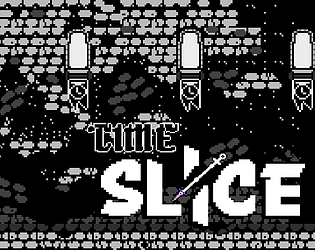
Time Slice by Jacob, Kian Frodente, Snake_EvE_12, & PipoPleading

Description: Use your telekinetic powers to try and break out of the 5-minute time loop. Players assume the role of Aika, a young woman trapped in a mysterious cave, reliving the same day over and over again. Armed with a sword that can pierce through obstacles and enemies, players must navigate through the cave's shifting pathways and use strategic mobility to escape.

Best Gameplay


Bento 0.5 by zenyuwu 

Description: This game centers around creating bentos within a time limit while also dealing with a mischievous cat that tries to steal ingredients. Players must balance crafting delicious bentos with keeping the cat at bay in this fast-paced challenge.

Best Usage of Theme


Big Blast of Ultimate Muscle by Kyle Wadas, Bennie, Maxmilion Flaugher, & Jayden Smith 

Description: In this game, you play as an anthropomorphic fish, focusing on building up stats like strength, stamina, friendship, and health. Your goal is to click at the right time in rhythmic challenges to maximize your stats and unlock different endings.

Best Innovation


It Won’t Last 5 Minutee by Tolik708 

Description: Here, you're tasked with preventing an explosion in a power plant within a tight five-minute window. The gameplay revolves around pressing or holding various keys to maintain control and avoid catastrophe.


Want to see more games? Check out the entries.