
AI Didn’t Kill Computer Science.

it gave it a raise.
AI can write code, crank out polished mockups, and build in minutes what used to take days.
That’s not bad news for the field of computer science. AI is a seriously powerful new tool in the hands of someone who knows how to use it.
Artificial intelligence is rapidly changing how computer scientists work while dramatically increasing what they can accomplish.
And if you’re interested in starting a business, launching a personal project, or bringing your own ideas to life, computer science combined with AI mastery gives you a powerful toolkit.
AI Changed the Game. We’ve Got the Cheat Code.

AI isn’t deleting CS careers. It’s rewriting the job descriptions.
The computer scientists entering the workforce today won’t work the same way they did five years ago. AI is changing the tools, increasing what one person can build, and creating entirely new ways to put computer science skills to work.
That’s why our three-year bachelor’s programs and online master’s in Applied AI are shaped with input from industry leaders who know what hiring managers need right now.
You’ll build in-demand technical skills, learn how to market them, interview with confidence, and get support negotiating an offer worth accepting.
Because knowing your stuff matters. So does knowing how to prove it.
Computer science by the numbers
Computer science has never been just about writing code. It’s also about deciding what’s worth building, designing systems that actually work, solving hard problems, protecting sensitive data, and turning ideas into technology people can trust.
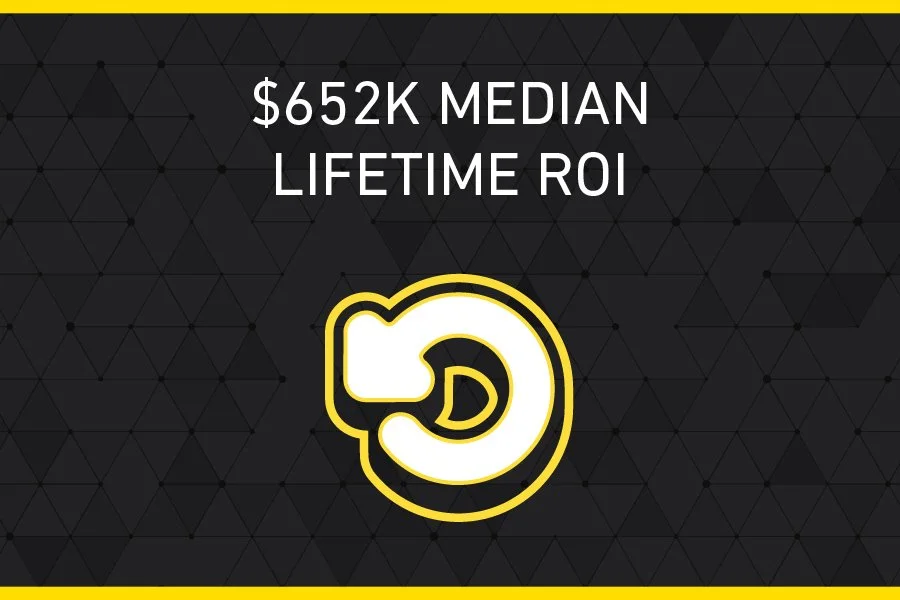
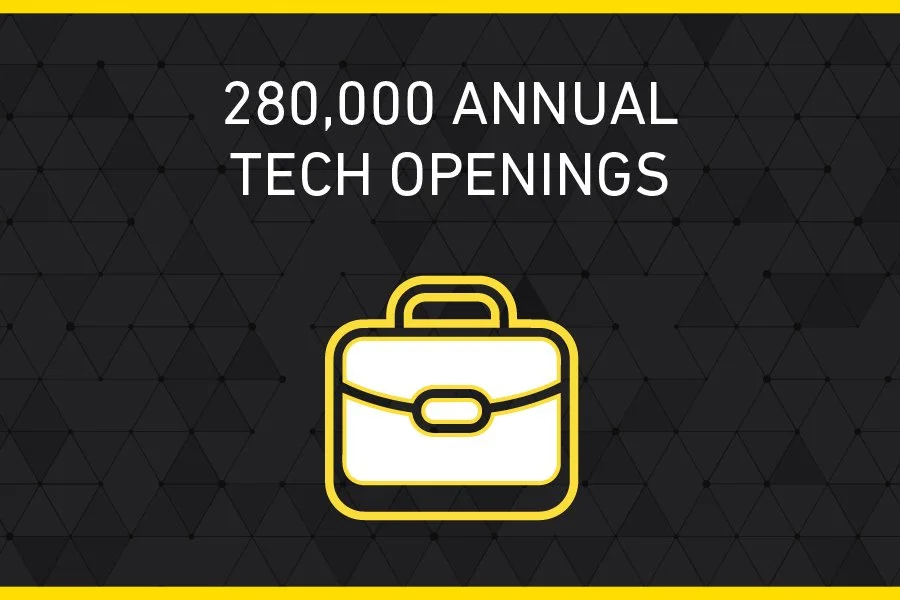
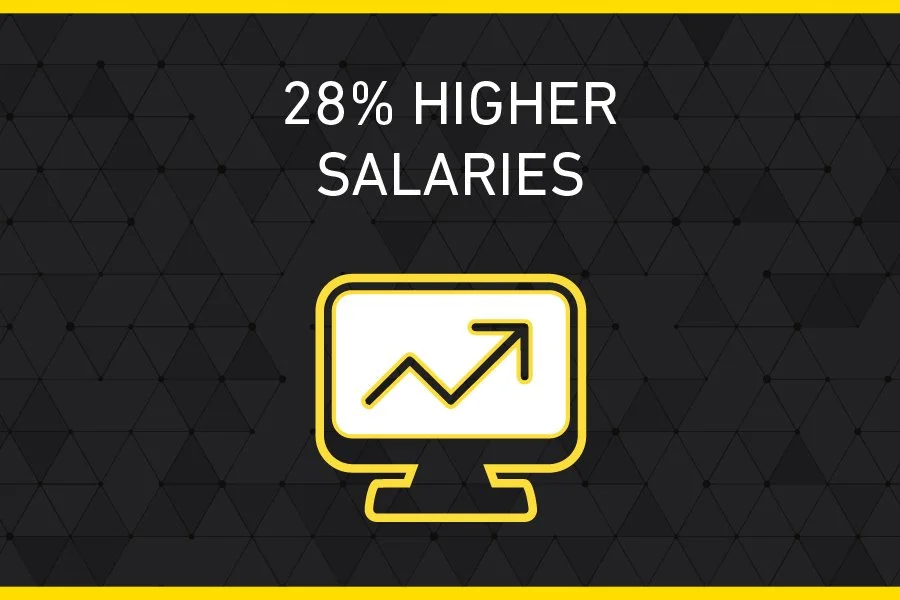
And according to employment data from the Bureau of Labor Statistics and a recent Lightcast Report, a CS degree is still a powerful asset in the job market:

A CS Degree Opens Doors in every industry
Pair a computer science degree with applied AI skills, and your career options just got a lot more interesting.
Here are just a few of the roles you’ll be ready to pursue:
AI Solutions Engineer
Machine Learning Engineer
AI Software Developer
Cloud Engineer
Systems Architect
Cybersecurity Analyst
Database Architect
QA & Automation Engineer
why CS Pros are betting on AI
The innovators building today’s most-used apps can see how valuable applied AI skills can be for your career:
Building a Better World With AI
Across healthcare, transportation, finance, and beyond, AI development tools help skilled professionals solve big problems, move faster, and bring transformative ideas to life.
Accelerating Drug Discovery
Drug discovery is known for moving slowly. AI is helping to change that.
Researchers used genAI to identify a new biological target and design an experimental treatment for pulmonary fibrosis. Promising results from a randomized Phase 2a trial are identifying potential therapies.
Read More
Supercharging Materials Engineering
The AI system GNoME identified 381,000 new potentially stable crystal structures, a nearly 10x expansion of the previously known catalog.
Hundreds of its predicted structures have also been independently produced in labs.
Improving Weather Forecasting
Predicting the weather is hard. Predicting tropical cyclones accurately while using far less energy is even harder.
The ECMWF’s new AI forecasting system reported efficiency improvements of up to 20% on tropical-cyclone tracking while using 1,000x less energy than traditional methods.
Advancing Biological Research
The AlphaFold Database now supports more than 3.4 million users across 190 countries. In 2026, it added 1.7 million high-confidence protein-complex predictions, giving researchers more ways to study diseases and pursue new treatments.
AI Needs Computer Scientists Now more than ever
AI is not a magical replacement for all technical talent. Good automation depends on computer scientists who understand algorithms, software architecture, compliance, and the needs of real-world users.
AI-native organizations are hiring computer scientists to:

Ready to become the human AI needs?
AI can handle the routine stuff. Great. Employers still need sharp humans who can spot real problems, choose the right tools, question questionable AI output, and build ethical guardrails.
Become the person AI can’t replace.