Posts tagged Tech Education
Putting AI to Work: Neumont Launches New Online AI for Business Degree
 

Putting AI to Work: Neumont UNIVERSITY Launches New Online AI for Business Degree

The business world isn’t waiting for AI to slow down. Neither are we.

Neumont’s new online business degree prepares students to lead, build, and innovate with AI.

AI is quickly changing how businesses analyze data, serve customers, manage operations, develop products, automate workflows, and make decisions. And more than ever, businesses need people who know how to use AI to solve real problems.

That’s why Neumont is excited to announce our first fully online bachelor’s degree: Bachelor of Science in Artificial Intelligence for Business (BSAIB).

This entirely online three-year program combines business fundamentals with practical experience using artificial intelligence and emerging technologies. Students will learn to analyze data, develop AI-powered solutions, automate business processes, manage technology projects, and identify new opportunities for innovation.

And no, you don’t need to show up already knowing how to code.
Training Tomorrow’s AI-Augmented Business Leaders

Knowing what AI can do is one thing. Knowing where, when, and how to use it is another.

As AI becomes part of nearly every industry, organizations need professionals who can identify where the technology can create value, guide its implementation, manage the people and processes affected by it, and make responsible decisions about how it is used.

Neumont built the BSAIB program for specifically to meet the changing demands of the business industry.

The degree is designed for problem solvers who see the possibilities of AI and want to apply them to the business world. That could mean leading innovation within an existing organization, rethinking how a business operates, or turning an AI-powered idea into a venture of your own.
All Online. All Neumont.

Forget endless clicking through prerecorded lectures while trying to stay motivated by yourself.

BSAIB students attend live online classes during the day and progress through the program with the same small cohort from day one to graduation. Between live sessions with Neumont instructors, students complete structured coursework, collaborate with classmates, build projects, and receive feedback and support along the way.

It’s Neumont’s project-based learning style built for an online classroom. No relocation. No commute to Salt Lake City. Still 100% Neumont.

Where Business Strategy Meets Artificial Intelligence 

The BSAIB curriculum begins with business strategy, data, programming, and artificial intelligence before advancing into areas such as machine learning, generative AI, model customization, data visualization, workflow automation, and project management.

Students will develop the professional skills needed to lead, including strategic planning, product development, data-driven decision-making, communication, and responsible AI governance.

Projects become more complex as BSAIB students progress through the program.  Throughout the course, students will have opportunities to tackle real business challenges and build portfolio-worthy solutions.

That experience culminates in opportunities to work on real projects for real companies through Neumont’s Enterprise Projects model.

Choose How You Want to Lead 

During their third quarter, BSAIB students choose between two specializations based on where they want to take their education:

·      AI Business Management focuses on using AI to transform existing organizations. Students explore how AI can improve sales, customer success, operations, finance, and talent management while learning to redesign workflows, manage AI projects, and lead AI-augmented teams.

·      AI Entrepreneurship focuses on turning opportunities into AI-enabled businesses. Students explore business model development, customer acquisition, monetization, fundraising, and venture launch while building, testing, and refining concepts of their own.

Endless Career Opportunities in an AI-Driven Economy

Combining business, technology, and leadership skills can prepare graduates to pursue a range of career paths, including:

·      AI Business Analyst

·      AI Product Manager

·      AI Project Manager

·      AI Solutions Consultant

·      Business Automation Specialist

·      AI Operations Specialist

·      Digital Transformation Specialist

·      Technology Strategy Consultant

·      AI Implementation Specialist

·      AI Entrepreneur

20+ Years of Learning By Doing

For more than two decades, Neumont University has prepared students for technology careers differently. Our students learn by building real solutions, solving problems for real companies, and building robust professional portfolios.

The online Bachelor of Science in Artificial Intelligence for Business program brings that same approach to a new kind of technology leader: someone who understands what AI makes possible and knows how to put it to work.

Learn more about the Bachelor of Science in Artificial Intelligence for Business and start your application today.
 
Shaping The Future of AI Education
 

Shaping the Future of AI Education

An Interview with Professor Omkar Terse, Neumont University BSAAI Chair 

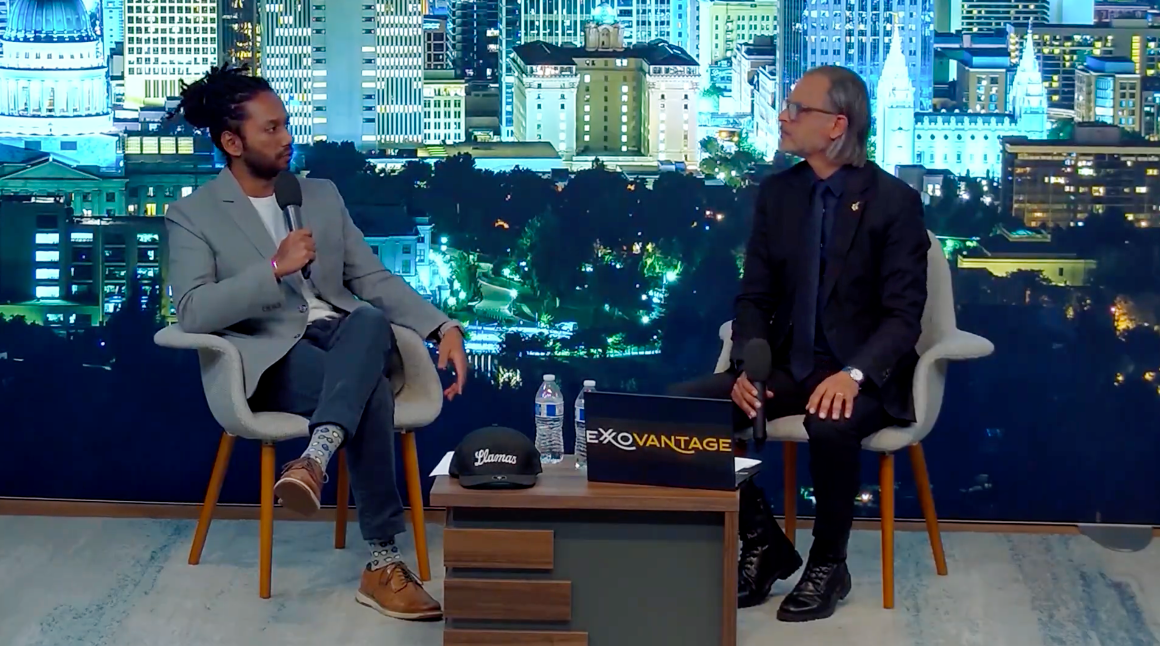
Professor Omkar Terse and Arnaud Daurat speak at Silicon Slopes Summit 2026. 
 

Artificial intelligence is reshaping how people work, make decisions, solve problems, and prepare for careers in the tech industry. For colleges and universities, the rapid adoption rate of AI raises an urgent question: What will it take to prepare the next generation of engineers to thrive in an AI-enabled world? 

Professor Omkar Terse, Chair of Neumont University’s Bachelor of Science in Applied Artificial Intelligence program, tackled these big topics in conversation with Arnaud Daurat, founder of Exxovantage and Astelia Robotics, Professor Terse discussed the future of applied AI, intelligent humanoid robotics, exoskeleton technology, and the changing demands of the technology workforce. 

Don’t want to read about it? No problem. Check out the full video here.

Terse shares his experience working in data science, AI research, industry, and higher education, and the importance of thoughtful AI engineering. Educators must help technology students understand how artificial intelligence works, where it falls short, and how to apply it responsibly to meaningful human problems. 

Beyond Theory: Putting AI to Work in the Classroom 

AI can feel abstract, even when it is embedded in everyday life. Headlines about dramatic breakthroughs or sweeping job automation can make the technology seem either magical or threatening. Professor Terse emphasized that Neumont’s programs make AI approachable by helping students understand its current capabilities and limitations. 

He goes on to explain that real understanding begins with practical experience. Students need opportunities to design, build, test, and improve AI-powered solutions, in addition to studying theory. Through project-based learning, they begin to understand the realities of current AI technology: incomplete data, uncertain outputs, design tradeoffs, ethical considerations, and the need to communicate technical ideas clearly. 

Neumont’s applied approach also reflects the needs of the current job market. As organizations adopt AI, they are looking to hire professionals who can connect technical knowledge to real business and social challenges. Successful graduates will be able to move from an idea to an implementation, evaluate whether an automated solution works, and recognize how AI tools can improve businesses efficiency. 

Keeping People at the Center of Automation 

Terse and Daurat’s conversation also covered AI’s effect on human psychology and decision-making. AI systems do not exist separately from the people who create and use them; they can influence choices, shape behavior, and amplify assumptions contained in their data and design. 

For future AI professionals, technical ability must therefore be paired with curiosity about human behavior and a sense of responsibility. Building an effective model is not enough. Developers must also ask who benefits, who may be excluded, what unintended effects could emerge, and how a system will function in the real world. 

That human-centered perspective becomes even more important as AI moves into technologies such as humanoid robotics and exoskeletons. These innovations may expand human capabilities and improve safety, but their success will depend on thoughtful design and an understanding of the intended audience. 

Professor Terse’s message points toward a vision of AI development focused on the greater social good. The strongest solutions will be the ones that apply it purposefully, with a clear understanding of the problem and the people affected. 

Preparing Students to Impact an Emerging Field 

Because AI is advancing so quickly, preparing students for the field requires more than a static curriculum. Universities will be successful if they remain closely connected to industry, continually evaluate which skills matter, and create opportunities for students to work on relevant problems. 

Partnerships between universities and technology companies are essential to that effort. Industry partners can provide insight into emerging tools, evolving roles, and practical challenges. Universities, in turn, can develop talent with the technical depth, adaptability, and problem-solving skills needed to contribute from the beginning of their careers. 

AI education must also become increasingly interdisciplinary. Real-world AI systems draw from software development, data science, mathematics, psychology, ethics, communication, design, and domain-specific knowledge. Students who can work across those boundaries will be better equipped to build technology that is both capable and useful. 

Building What Comes Next 

The future of AI will be shaped by the tech professionals who go all in on building a better world through intelligent automaton. AI presents extraordinary possibilities, from smarter software to intelligent robotics and human-supporting technologies. Realizing those possibilities will require professionals who are technically prepared, thoughtful about consequences, and ready to keep learning as the field changes. 

For Neumont students, that preparation starts now. Through practical experience, collaboration with industry, and an education designed for the work ahead, our students are shaping the future of technology.